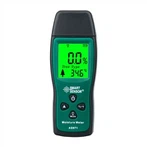
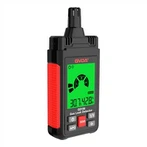
Is a toxic gas detector able to detect leaking coal gas and ammonia?
1, Select equipment with the right explosion-proof rating and adapt to high-risk environments
Combustible gas vapors may float in the air of gas stations, and portable combustible gas detectors need to have sufficient explosion-proof capabilities to prevent electric sparks generated by their own operation from igniting the gas. When purchasing, it is necessary to confirm that the explosion-proof level of the equipment is not lower than Ex d IIB T4 Ga, which is a basic adaptation requirement for the gas station environment. Intrinsic safety equipment should be preferred, and its circuit design can limit energy release, further reducing ignition risks. At the same time, it is necessary to check whether the equipment has passed the relevant national explosion-proof certification. Products without certification should not be used in gas stations.
2, Find the right detection location and timing to cover the risk area
Combustible gases are prone to accumulate in low-lying areas of gas stations, such as the ground of oil tank areas and under fuel dispensers. When detecting, special attention should be paid to these areas, and the sampling height is recommended to be controlled at 10 to 30 centimeters above the ground to avoid missed detection only at high altitudes. At the same time, avoid areas with strong airflow interference, such as near the air outlet and fan of the fuel dispenser. These areas will blow away local combustible gases, resulting in low detection values that cannot reflect the true concentration.
Attention should also be paid to the timing of detection. When unloading oil from a tanker truck, the amount of oil and gas volatilization is relatively large. It can be detected before unloading, during unloading (maintaining a safe distance), and after unloading; Daily inspections should cover key areas such as the vicinity of fuel dispensers, oil tank areas, and oil pipeline interfaces. Each inspection should be conducted at the same location for 3 to 5 seconds to allow the combustible gas detector sensor to fully contact the gas and obtain stable data.
3, Standardize operational procedures to avoid human risks
Before use, check the status of the combustible gas detector to confirm that the battery is sufficient. Low battery may cause a decrease in detection status or even sudden shutdown; Check if the sensor is damaged or blocked. If there is oil or dust adhering to the surface, it needs to be cleaned before use. After turning on the device, wait for the combustible gas detector to preheat, usually taking 30 seconds to 2 minutes. Wait until the value stabilizes before starting the detection to avoid data deviation caused by immediate detection.
During the detection process, avoid unauthorized operations, do not make phone calls near the equipment, do not let the combustible gas detector come into contact with oil stains or corrosive liquids, and prevent equipment failure or sensor damage. If the gas concentration exceeds the standard and reaches the alarm threshold, personnel should be evacuated immediately and dealt with according to the emergency plan of the gas station. It is not recommended to stay for a long time or check the leakage point without authorization.
4, Perform daily maintenance and calibration to maintain the testing status
There is a lot of oil and dust in the gas station environment, so it is necessary to clean the equipment regularly. Use a dry soft cloth to wipe the body, and use oil-free compressed air to gently blow away the dust from the sensor area. Avoid directly wiping the sensor with a damp cloth or cleaning agent. It is recommended to calibrate the equipment every 3 to 6 months. When the detection frequency is high and the environment is harsh, it can be shortened to 2 months. Calibration requires the use of standard concentration combustible gases to control detection errors and reduce missed or false alarms. When idle, store the equipment in a dry and ventilated non explosion proof area. If not in use for more than one month, turn on the power once a month to activate the sensor.