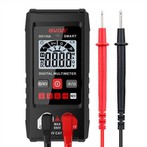
Judging Whether the Three-phase Circuit Is Balanced by Cleverly Using the Clamp Ammeter
Clamp the A, B, C three-phase wires connected to the load (such as a motor) into the jaws at the same time. If there is no indication, it means that the three-phase circuit is balanced. If there is a reading, it means that there is a zero-sequence current, indicating an imbalance. Clamp two of the three-phase wires, and the displayed reading is the current value of the unclamped phase.
If the loop current to be tested is less than the number of turns in the clamp mouth (set as N turns), then divide the current value indicated by the meter head by the number of turns N, which is the resistance value to be measured.
If the current to be measured is greater than the maximum range current, a current transformer can be used. The method is: cut the number of times of the current transformer in the load circuit into a short circuit, clamp the jaws of the clamp ammeter into the secondary short-circuit wire, and multiply the measured current by the transformation ratio of the current transformer, which is the measured load circuit current value.