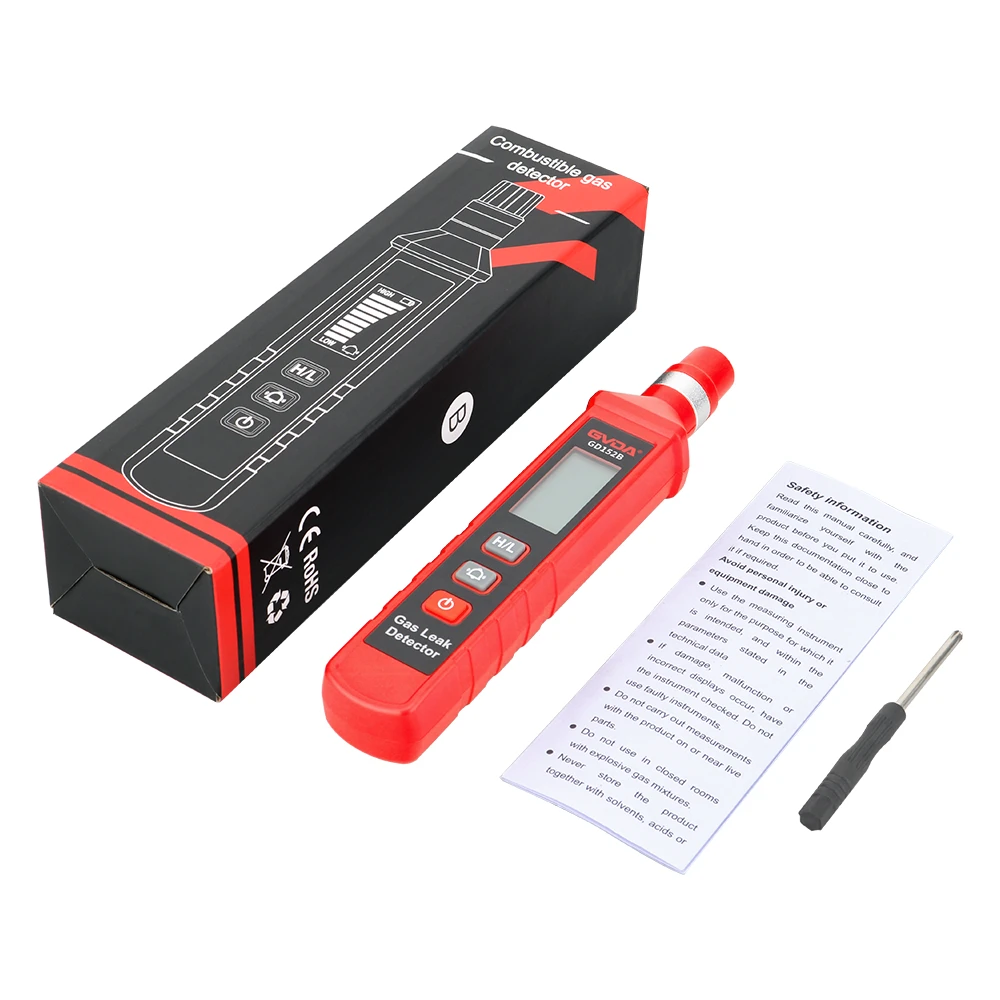
Main Distinctions Between Gas Analyzers and Gas Detectors
① Differences in Instrument Structure A gas detector has a relatively simple structure, consisting only of a probe (sensor) and the signal conversion circuit for the sensor. In contrast, a gas analyzer is equipped not only with an internal probe (sensor) but also a complete gas path system. This full gas circuit is designed to draw sample gas into the instrument and then discharge or recycle the gas out of the device.
② Differences in Detection Methods Gas detection and alarm instruments perform measurements by exposing the probe directly to the ambient air or sample gas environment being tested. For gas analyzers, the target sample gas is guided into the interior of the instrument through a dedicated pipeline for measurement, and subsequently exhausted outside the equipment.
③ Differences in the Control of Measurement Conditions Gas detection and alarm instruments have no components for adjusting or controlling the technical parameters of sample gas. They conduct direct measurement without accounting for the environmental conditions of the sampled gas. By contrast, the integrated internal gas path system and external auxiliary devices of a gas analyzer form a complete chemical process flow. The analyzer precisely regulates the working parameters of the sample gas to ensure stable and normal operation of the sensor, which guarantees the accuracy of measured results.
④ Differences in Operating Procedures for the Entire Measurement Process For gas detection and alarm instruments, simply placing the device in the target gas atmosphere will trigger real-time numerical readings. For gas analyzers, operators need to carefully introduce sample gas into the instrument and strictly adjust process parameters including temperature, pressure and flow rate. Accurate test data can only be obtained after stabilizing the whole chemical measurement process. All readings generated before process stabilization are invalid and shall be discarded.
⑤ Differences in the Elimination of Interference Factors During Testing The sensor of a gas detection and alarm instrument is placed directly in the open ambient atmosphere. Its structural design and field operation do not take interfering substances in the surrounding environment into consideration, and the device has no built-in function to eliminate such interferences. However, during design, model selection and operation of gas analyzers, all internal and external factors that may affect measurement accuracy must be fully evaluated and eliminated one by one. This strict procedure is essential to ensure authentic and reliable test results. Any negligence of influential factors is unacceptable for precise gas analysis.