Method and precautions for measuring pH value with pH meter and acidity meter
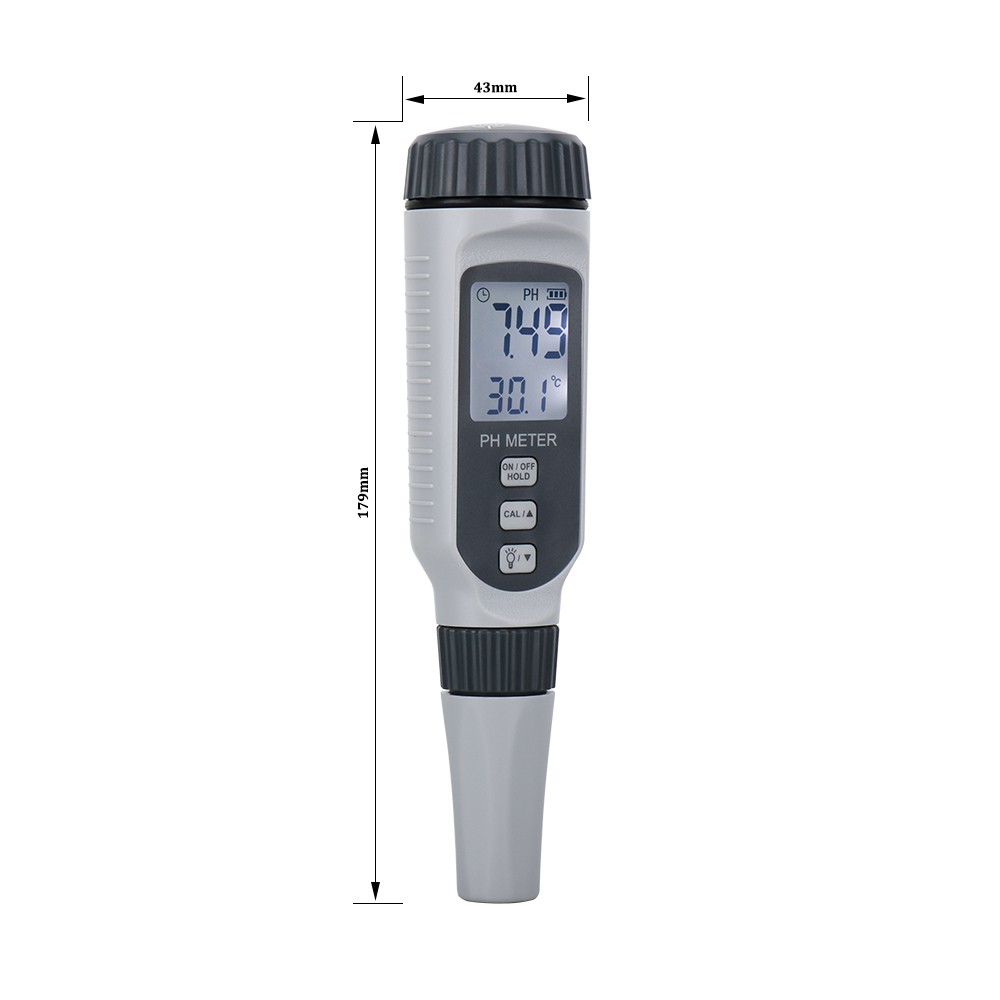
PH meter is a common analytical instrument widely used in fields such as agriculture, environmental protection, and industry. Let's learn how to use a pH meter to measure pH value and precautions when using it.
1. Method for measuring pH with pH meter and acidity meter:
(1) Take off the pen cap
(2) Press the on/off button, the machine will display operation
(3) Place the pH meter into the test solution
(4) Gently shake the pH meter to ensure that the bubbles inside escape, allowing it to come into full contact with the solution and not collide with the cup wall
(5) The pH meter will immediately display the value. Place the pen in the test solution and wait for the value to stabilize. The correct value will be displayed within 30 seconds. (Special: Fluctuation or instability of the pH meter value is a normal phenomenon)
(6) Press the hold key to lock the value, which can be recorded and read outside the solution to be tested. Continue to press the hold key to unlock
(7) Press the on/off key to turn off the pH meter
(8) Gently shake the pH meter to test the excess water on the pen, rinse with distilled or deionized water, and cover the pen cap to measure temperature. In the test mode, the temperature value and pH value are displayed synchronously on the LCD panel, but not in the calibration mode. The default value is Celsius temperature.
2. Precautions for pH meter and acidity meter:
(1) Please avoid high temperatures and direct light exposure
(2) Do not touch the sensor. If touched, rinse with a buffer solution with a pH of 7
(3) After each use, please cover the pen cap
(4) Do not test for too long in high-temperature liquids
(5) After using in solutions with high TDS values, please rinse the sensor
(6) If there is a significant difference in the measurement range of pH solutions, it is necessary to rinse them in a buffer solution with a pH of 7
(7) To optimize performance, use the best measurement accuracy at least once a month
(8) Although not necessary, if the pH pen is calibrated before each use, it will be more accurate
(9) Rinse with a pH 7 buffer solution after each use
(10) When using, be sure to shake out the bubbles inside
(11) If there are scratches on the sensor, it needs to be replaced immediately
(12) If the reading is slow or the response is slow, it is necessary to replace the acidity meter battery or sensor. If the pH pen is continuously used and calibrated, its performance will be affected. If the pH pen is operating in a suitable environment, press the temp/cal key. When cal flashes, press the temp/cal and hold keys simultaneously for 2 seconds to restart the calibration, and then it can be recalibrated.