Points to Note When Measuring Resistors with a Multimeter
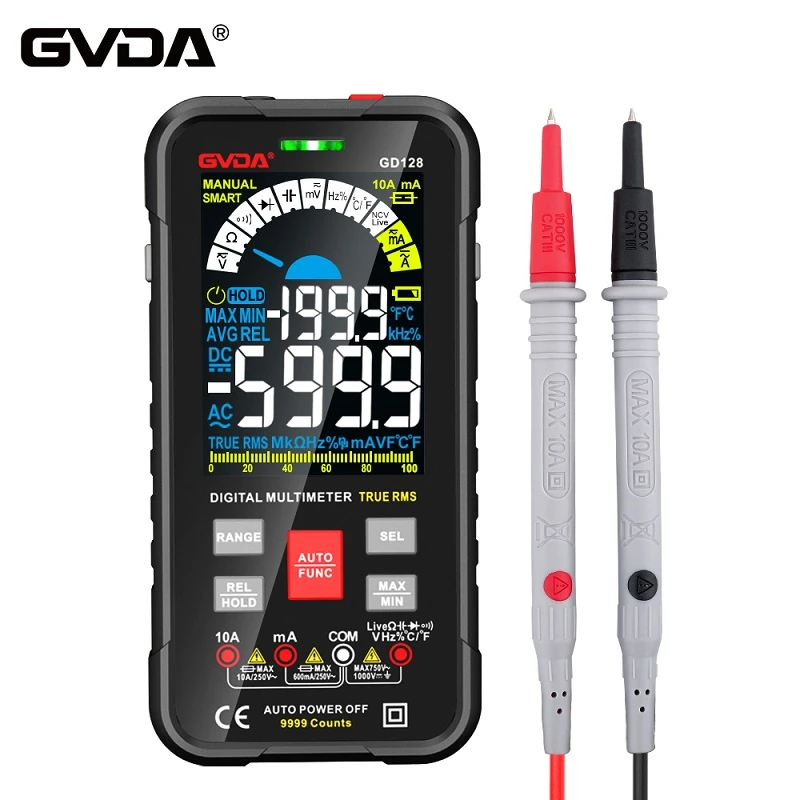
How to test a resistor with a multimeter may seem simple, yet it involves many details. Apart from correct operation, several key points need attention for convenient testing. The guidelines are sorted out as follows for reference: ① Estimate the resistance value roughly according to the color bands or nominal value of the resistor. ② Connect the two test probes to both ends of the resistor respectively and record the reading as R1. ③ For high‑accuracy requirements, swap the probes and perform a reverse measurement, and record the reading as R2. ④ If R1 equals R2 and both values are close to the nominal resistance, the resistor is in good condition. If R1 and R2 are larger than the nominal value, the resistor is damaged. If both readings are close to 0 ohm, the resistor is open‑circuited. Normally, the two readings should be consistent. If the readings differ, find out the cause of the discrepancy.
Precautions: ① Preparations before measurement with a multimeter Analog multimeter: Insert the test probes into the corresponding jacks, and turn the selector switch to the appropriate ohm range. Short the two probes and check whether the pointer points to the zero position of the ohm scale. Adjust with the ohm zero‑adjustment knob if needed. Digital multimeter: Insert the test probes into the corresponding jacks and turn the selector switch to the appropriate ohm range. Power on the meter and short the probes to check if the display reads zero. If not, subtract this offset value from the final measurement result.
② Select proper ranges for resistors of different resistance values For analog multimeters: generally use the R×1 range for resistors below 50 Ω, the R×10 range for 50 Ω ~ 1000 Ω, the R×1K range for 1 kΩ ~ 500 kΩ, and the R×10K range for resistors above 500 kΩ. An analog multimeter requires zero recalibration every time you change the range. For digital multimeters, subtract the offset reading if the shorted‑probe reading is non‑zero.
③ During measurement, especially for resistors of tens of kiloohms or higher, do not touch the conductive parts of the probes or the resistor leads with your hands. The human body has its own resistance which will interfere with the reading and make the measured value lower than the actual value.
④ If the resistor is mounted on a circuit board, desolder it from the circuit, or at least desolder one lead, to avoid interference from other components and measurement errors.
⑤ If the resistor leads are oxidized, remove the oxide layer before measurement.