Precautions for Measuring with the Ohm Range of a Multimeter
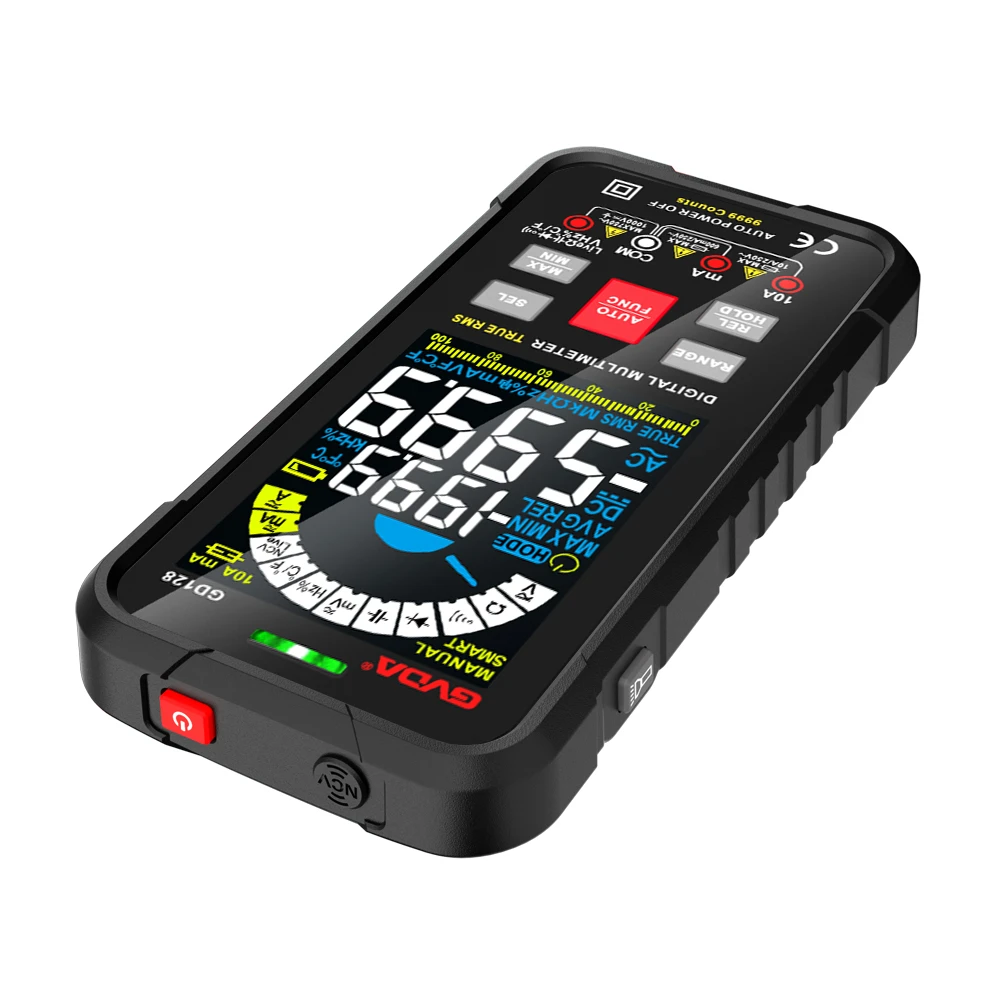
A multimeter is a common multi-functional test instrument composed of a meter movement (analog or digital), a selector switch, test probes and probe jacks. It can measure resistance, voltage and other electrical parameters in circuits. What issues should we pay attention to when taking measurements in the ohm mode? What precautions should be followed during operation to protect the instrument and ensure personal safety?
① Zero adjustment must be performed before every resistance measurement. It is mandatory to re-zero whenever the ohm multiplier range is changed. This step is essential for accurate readings. If the zero-adjustment knob cannot bring the pointer to the ohm zero position, the internal battery voltage is too low and the battery should be replaced.
② The circuit under test must be completely de-energized during resistance measurement. Live circuits will not only produce inaccurate readings but also may burn out the meter movement.
③ There shall be no parallel branches connected to the resistor under test. Otherwise, the reading will be the equivalent resistance of the resistor in parallel with the other branches instead of the true resistance value of the component. For this reason, do not touch the metal parts of the probes with your hands, as the body resistance connected in parallel with the resistor will introduce unwanted measurement errors, as shown in the figure (Incorrect resistance measurement method).
④ When measuring transistor parameters with the ohm range, select the R×10 or R×1k multiplier range, since transistors can only withstand low voltage and low current. Low multiplier ranges feature low internal resistance and high current, while high multiplier ranges use a higher battery voltage. Therefore, neither low nor high multiplier ranges are generally suitable for transistor parameter testing. Note that for analog multimeters, the red probe connects to the negative terminal of the internal battery and the black probe connects to the positive terminal, which is different from digital multimeters.
⑤ The ohm range of a multimeter cannot be used to directly measure microammeter movements, galvanometers, standard cells or similar instruments (these devices have extremely low internal resistance and are easily damaged by the ohm-mode measurement current). Do not short the two test probes together when the meter is not in use, to avoid draining the battery.