Resistance Testing Method for Electric Soldering Iron
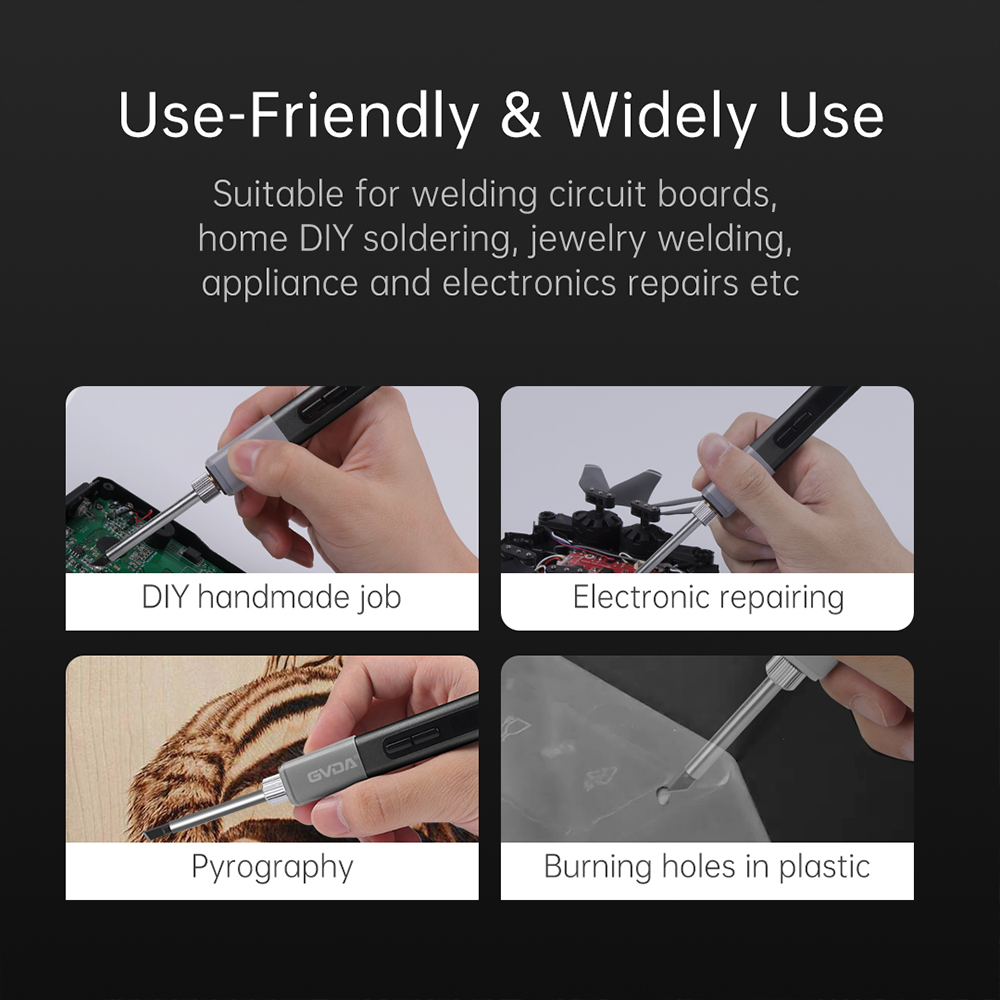
Electric soldering iron is an essential tool for electronic production and electrical maintenance, mainly used for soldering components and wires. It can be divided into internal heating electric soldering iron and external heating electric soldering iron according to mechanical structure, non suction soldering iron and suction soldering iron according to function, and high-power electric soldering iron and low-power electric soldering iron according to different purposes.
The electric soldering iron test includes three parts: ground resistance test (cold/hot state), leakage voltage test, and leakage current test.
1. Ground resistance test of electric soldering iron in cooling state:
In the absence of power, connect one end of the multimeter probe to the ground terminal of the power plug and the other end to the tip of the soldering iron to test the data;
2. Grounding resistance test of electric soldering iron in heating state:
Plug in the power, turn on the soldering iron, and connect one end of the multimeter probe to the grounding terminal of the socket, and the other end to the test board that is in contact with the soldering iron. Measure the results;
3. The leakage voltage test and leakage current test of electric soldering iron are similar to the resistance test method. It should be noted that the multimeter needs to switch gears or adjust the position of the multimeter probe wire when measuring current.