Resolution (resolution) of a digital multimeter
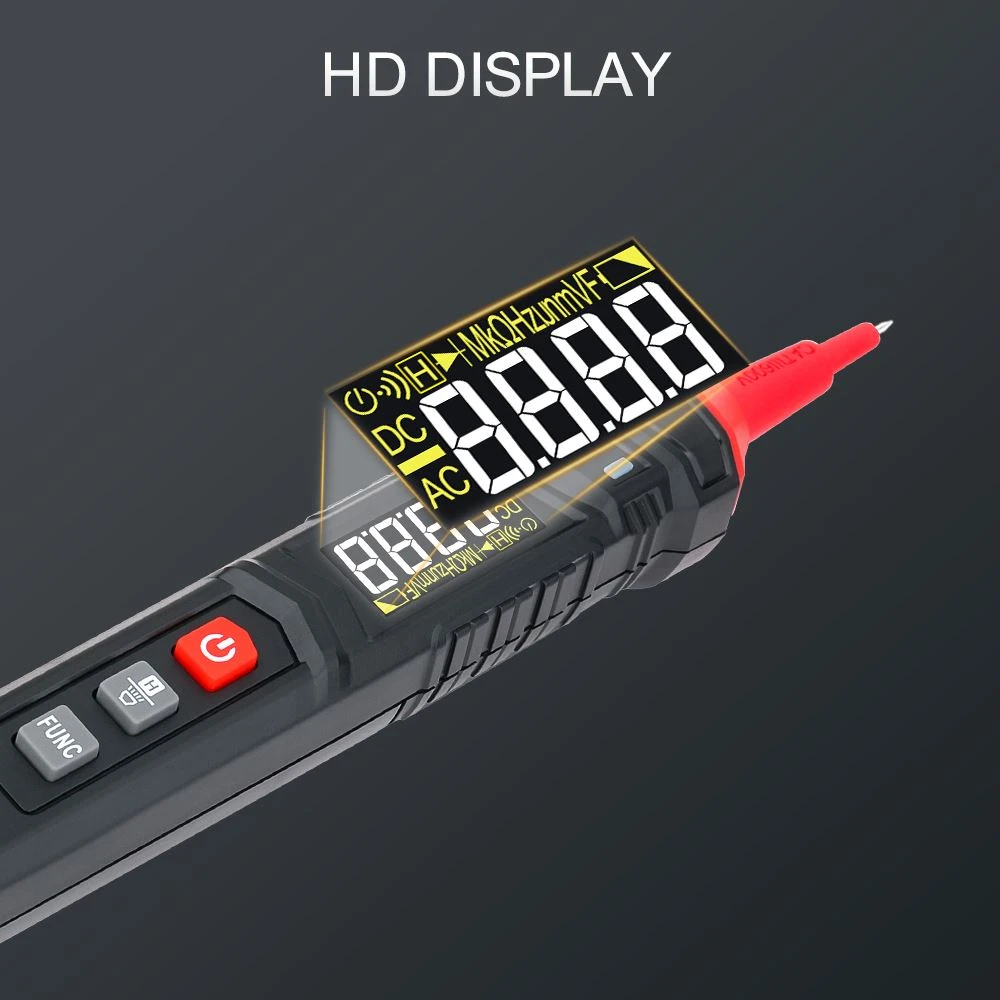
The voltage value corresponding to the last word of the digital multimeter on the lowest voltage range is called the resolution, which reflects the sensitivity of the instrument. The resolution of digital digital instruments increases with the number of displayed digits. The highest resolution index that can be achieved by digital multimeters with different digits is different, for example: 100μV for a 3 1/2-digit multimeter.
The resolution index of the digital multimeter can also be displayed by resolution. Resolution refers to the percentage of the smallest number (except zero) to the largest number that the meter can display. For example, a general 3 1/2-digit digital multimeter can display a minimum number of 1 and a maximum number of 1999, so the resolution is equal to 1/1999≈0.05%.
It should be pointed out that resolution and accuracy belong to two different concepts. The former characterizes the "sensitivity" of the instrument, that is, the ability to "recognize" tiny voltages; the latter reflects the "accuracy" of the measurement, that is, the degree to which the measurement result is consistent with the true value. There is no necessary connection between the two, so they cannot be confused, and the resolution (or resolution) must not be mistaken for similar to the accuracy, which depends on the internal A/D converter of the instrument, the comprehensive error of the function converter and the quantization error. From the measurement point of view, the resolution is a "virtual" index (which has nothing to do with the measurement error), and the accuracy is the "real" index (it determines the size of the measurement error). Therefore, it is not possible to arbitrarily increase the display digits to improve the resolution of the instrument.