Safety Essential! How Long Will a 4-Gas Detector Last?
1, Four in one gas detector service life
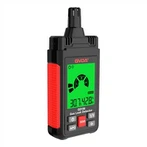
The four in one gas detector is a portable device used to detect the concentrations of four common gases, including oxygen, combustible gases, carbon monoxide, and hydrogen sulfide. It is widely used in various fields such as chemical engineering, mining, and firefighting. Its service life is usually affected by factors such as sensor lifespan, usage environment, maintenance, etc., usually around 2-5 years, but the specific duration needs to be determined based on multiple factors.
Factors affecting the service life of the four in one gas detector
1. Sensor lifespan: Sensors are the core of instruments, and their lifespan varies depending on the type. Electrochemical sensors detect toxic gases, with a lifespan of 1-3 years; Catalytic combustion sensor for measuring combustible gases, with a lifespan of 2-3 years; The lifespan of electrochemical oxygen sensors is about 1-3 years. Sensor aging can lead to a decrease in detection accuracy and a slower response, directly affecting the lifespan of the instrument.
2. Operating environment: harsh environments such as high temperature, high humidity, high dust, and highly corrosive gases can accelerate instrument wear and tear. High humidity can easily cause circuit short circuits, and corrosive gases can quickly corrode sensors, reducing detection sensitivity.
3. Maintenance situation: Regular cleaning, calibration, and replacement of vulnerable parts can ensure the performance of the instrument. On the contrary, lack of maintenance will increase the probability of failure and shorten the service life.
How to extend the service life of the four in one gas detector
1. Standardized operation: Before use, it is necessary to read the instructions carefully to avoid using within the range of overheating, humidity, etc. The testing steps should be standardized to reduce frequent on-off and prevent damage to circuit components.
2. Regular maintenance: Establish a maintenance system, inspect the appearance, display screen, and buttons of the instrument, calibrate the detection function with standard gas every 3 months, and promptly replace batteries with decreased performance.
3. Proper storage: Store in a dry and ventilated place, avoid direct sunlight and electromagnetic interference, regularly charge when idle for a long time, and keep accessories safe.
4. Timely maintenance: If any abnormal data or malfunction such as inability to start up is found, immediately stop using it, contact professional personnel for repair, use original parts, and perform comprehensive calibration after repair.
Failure to timely detect hidden dangers beyond the service life
1. Safety risk: The detector is used beyond its expiration date, and the sensor is aging, resulting in inaccurate detection and inability to timely warn of toxic and harmful gas leaks. When there is a carbon monoxide leak in the chemical workshop or when the concentration of coal mine gas exceeds the standard, personnel are prone to poisoning or face the risk of explosion, causing significant casualties.
2. Economic losses: Accidents cause direct losses such as equipment damage and production stoppage, and indirect costs such as aftermath handling, employee compensation, and production shutdown rectification need to be borne. This damages the corporate image and reduces market competitiveness.
3. Legal responsibility: In case of violation of safety production regulations, enterprise leaders and related personnel shall bear legal responsibility and face administrative or even criminal penalties.