Selecting Gas Detectors According to Target Gases
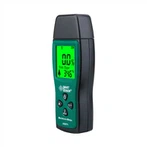
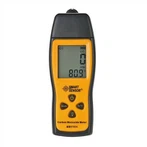
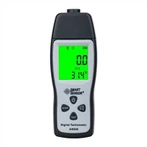
Portable toxic and hazardous gas detectors are widely used in hazardous locations. They convert physical or chemical properties of gases into electrical signals via optoelectronic technology to measure gas concentrations. Their core components are gas sensors. Common field‑test sensor types include electrochemical sensors, catalytic combustion sensors, photoionization detectors, and semiconductor sensors. Toxic‑hazardous gas detectors support measurement of numerous gases, so users shall select proper models according to the gases to be measured.
Selection based on types of detected gases: Since target gases vary, all possible on‑site conditions shall be taken into consideration. For example, for methane and other low‑toxicity alkanes, the EM‑50 methane transmitter (fixed‑type methane gas detector) is a suitable option.
① Selection by sensor type Inability to change, add or remove sensors is regarded as a drawback for gas detectors. When selecting equipment, evaluate whether on‑site sensor replacement is feasible and whether adding sensors involves excessive difficulties. Once pollutant species in the working environment are confirmed, selecting dedicated sensors represents the safest and most reliable solution.
② Selection between diffusion‑type and pump‑suction‑type instruments Diffusion‑type gas detectors worn on the body are applicable for open‑air environments. For confined‑space operations, multi‑gas detectors with a built‑in sampling pump are mandatory. For emergency leakage inspection, pump‑suction‑type detectors with fast response, high sensitivity and high resolution shall be adopted, which help easily locate leakage sources.