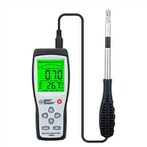
Selection criteria and principles for toxic and harmful gas detectors
The core part of the toxic gas detector is the sensor. The sensor of the toxic gas detector is an electrochemical sensor. The life of electrochemical sensors in air is generally two years. Some models from individual manufacturers can last three years or even longer. , some only last a year and a half or less. Unless otherwise stated, imported electrochemical sensors have a service life of two years.
The toxic gas detector is a special safe gas environmental hygiene detector used to detect the toxic gas content in the air in chemical workplaces or equipment, and alarm when the limit value is exceeded. It is necessary to strengthen safety management of hazardous chemicals, improve safety measures, and control potential accident risks. However, it is impossible to be absolutely safe and mistakes will still happen. Therefore, it is very necessary to detect and alarm potential accident hazards, and to detect and alarm all toxic gases or liquids (vapors) in the hazardous chemical industry. It is of great significance to avoid and control accidents.
The toxic and harmful gas detector is a special safety and health detector used to detect the content of flammable or toxic gases and vapors in the air inside the chemical workplace or equipment, and alarm when the limit value is exceeded.
Principles for selecting toxic and harmful gas detectors:
1. Clarify the purpose of the test and select the instrument category. The detection of harmful gases generally has two purposes. The first is to detect explosions and the second is to detect poison gas. The so-called explosion test is to detect the content of flammable gases in dangerous places and alarm when it exceeds the standard to avoid explosion accidents; the poison test is to detect the content of toxic gases in dangerous places and alarm when it exceeds the standard to avoid poisoning of staff.
2. Clarify the purpose of the test and select the instrument type. If leak detection is carried out in a production or storage location for a long time, fixed detection alarms should be used; for other maintenance detection, emergency detection, entry detection and patrol detection, portable instruments should be used.
3. Define the test object and select the best instrument model. It should be noted that the detection principle of the instrument must adapt to the requirements of the detection environment. (There is a problem in adapting to the testing environment)