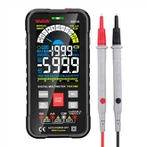
Several essential functions of gas detectors
2. Complies with personal protective equipment requirements
In order to accurately measure gas exposure levels, your gas detector must be able to detect according to national safety regulations. For example, if there is ammonia (NH3) present on site, the gas detector must be able to detect ammonia with a concentration greater than 300 ppm. However, many gas detectors can only measure ammonia between 0-100 ppm. This raises a question. If the range of the device cannot exceed 300 ppm, how do you determine if your PPE can provide sufficient protection?
To avoid this issue, choose a gas detector with a measurement range that meets the requirements of personal protective equipment. If you are looking for a gas detector to detect whether ammonia (NH3), hydrogen sulfide (H2S), sulfur dioxide (SO2), or carbon monoxide (CO) meet the range standards, this is particularly crucial.
3. Flexibility to meet application requirements
Most multi gas detectors come in two versions: pump suction detection and diffusion detection - but these two versions cannot be switched freely, meaning you can use the diffusion version for personal protection, but it cannot be used for sampling and detection in enclosed spaces.
The pump suction gas detector extracts gas from unknown, potentially toxic or flammable gas environments into the detector to determine whether the area is safe. Actually, the pump helps you avoid harm. Only after using a pump type gas detector to evaluate the air sample and confirming that there are no toxic or flammable gases, can one enter the target enclosed space to perform any work tasks. However, the pump will not increase the detection range or efficiency of the gas detector. The gas detector will only detect gas passing through the sensor. The pump in the gas detector will not increase the amount of gas sensed by the sensor. The pump facilitates remote sampling and detection of unknown spaces.
4. Status warnings and maintenance reminders
The new generation multi gas detector has pre-set maintenance reminder functions, such as automatically popping up "bump test deadline" or "calibration deadline" on the screen, so you don't have to guess whether the detector can be used directly.
5. Alarm behavior prompt and full screen alarm
When the gas detector alarms, you need to immediately know how to operate it. If the detector can convey correct operating instructions, you will be able to make safer choices conveniently and quickly. Customized alarm operation messages such as "evacuation" or "wearing air calls" correspond to the alarm settings, making it convenient for you to take the correct measures in emergency situations.
Full screen alarm can display alarm information throughout the entire display screen. This prompt allows you to focus on the gas that triggers the alarm without being disturbed by non critical readings. The more sensor information there is, the more it needs to be interpreted, which can prolong response time. However, in the face of danger, every second counts.
6. Wireless interconnection function
The point-to-point wireless interconnection function connects nearby gas detectors to the network, automatically sharing gas readings, alarm data, etc. When the gas detector enters the alarm state, the point-to-point wireless interconnection function in the gas detector ensures that each member of the group receives the required information and takes quick action without guessing what action should be taken.
Regardless of whether the instrument alarm is triggered due to gas hazards, personnel fainting, or panic situations, all members of the wireless interconnection team immediately know who is in danger and the reasons for the danger. Workers can even obtain readings from the area monitoring equipment responsible for guarding, so that they know whether gas hazards are spreading to their work area.
This feature is crucial for confined space applications. There are reports that over 60% of fatalities in confined spaces are caused by rescue workers blindly rescuing team members, as people inside confined spaces are unable to communicate the danger to the outside world. By connecting gas detectors through point-to-point wireless connectivity, everyone can obtain the necessary information and make the right rescue decisions.
7. Support real-time monitoring
What do you want and need a gas detector to do in the next four to eight years? The industrial Internet of Things has led to the flourishing development of wireless interconnected gas detectors, which may become a standard feature in the next decade.
Real time monitoring is a quantum leap in the development of gas detection, as this feature facilitates safety managers to view in real-time when workers encounter danger, what specific dangers they face, their location, and whether they need assistance. Real time monitoring can provide security management personnel with the information they need, which helps to respond quickly in emergency situations and improve security outcomes.
Real time monitoring typically requires special gateways, networks, or wireless connections to send information to the cloud. Some gas detectors are designed with the above functional modules, so you can turn on this option when needed.