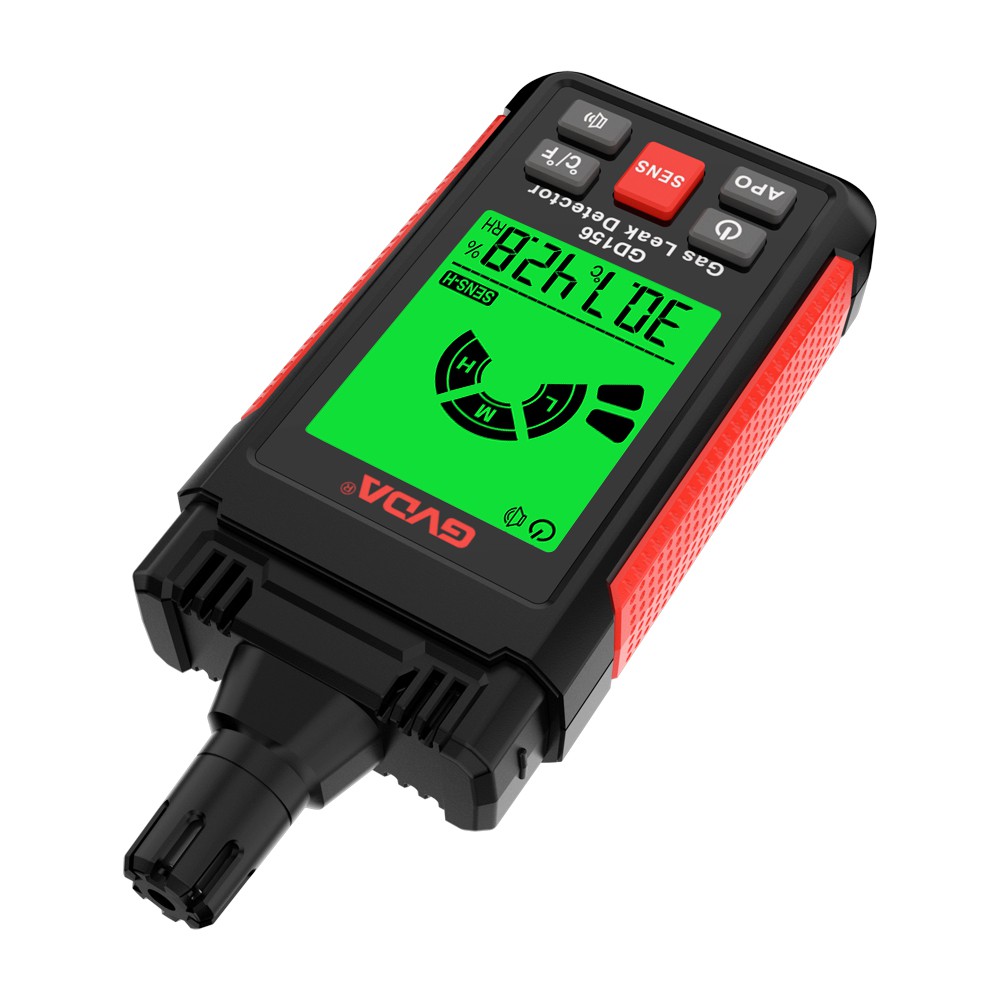
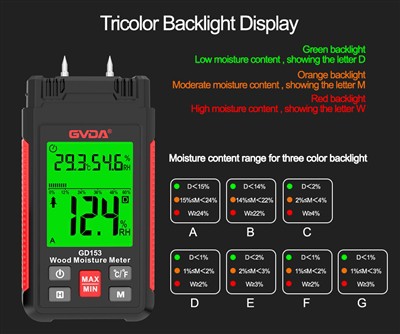
Specifications for use and maintenance of combustible gas detectors
The non-standard construction process may cause the combustible gas detector to malfunction during use. If the combustible gas detector is not located near the equipment that is prone to leaking combustible gas, or is installed adjacent to the exhaust fan, the leaked combustible gas cannot fully diffuse to the vicinity of the combustible gas detector, thus making it difficult for the leakage hazard to be detected by the combustible gas detector in a timely manner. For residential combustible gas detectors, they should be installed near the gas pipeline and stove in the kitchen. When residents use natural gas, the gas detector should be installed within 300mm of the ceiling; When residents use liquefied petroleum gas, gas detectors should be installed within 300mm of the ground. If the combustible gas detector is not reliably grounded and cannot eliminate electromagnetic interference, it will inevitably affect the voltage and result in inaccurate detection data. Therefore, the combustible gas detector should be reliably grounded during the construction process. The combustible gas detector and wiring terminals are located in areas that are prone to collision or water ingress, causing electrical circuit breaks or short circuits. Non corrosive soldering flux must be used for welding, otherwise the joint will corrode and detach or increase the line resistance, affecting normal detection. Do not drop or throw the detector to the ground. After construction, debugging should be carried out to ensure that the combustible gas alarm is in normal working condition.
Maintenance and upkeep
To detect combustible gas information, a combustible gas detector must communicate with the detection environment. Therefore, it is inevitable for various pollutants and dust in the environment to enter the detector, causing damage to the working conditions of the detector. The working environment of combustible gas detectors is relatively harsh, and many are installed outdoors. Poor maintenance can lead to errors or failure to detect combustible gas alarms. Therefore, regular cleaning and maintenance of combustible gas detectors is an important task to prevent malfunctions.
Grounding should be regularly checked. If the grounding does not meet the standard requirements or is not grounded at all, it can also make the combustible gas detector susceptible to electromagnetic interference and cause malfunctions. Prevent components from aging. From the perspective of reliability, it has been proven in practice that the failure caused by component aging tends to increase in systems with a service life of more than 10 years for combustible gas detectors. Therefore, if the service life exceeds the requirements of the usage regulations, it should be replaced in a timely manner.