Temperature Compensation in pH Measurement
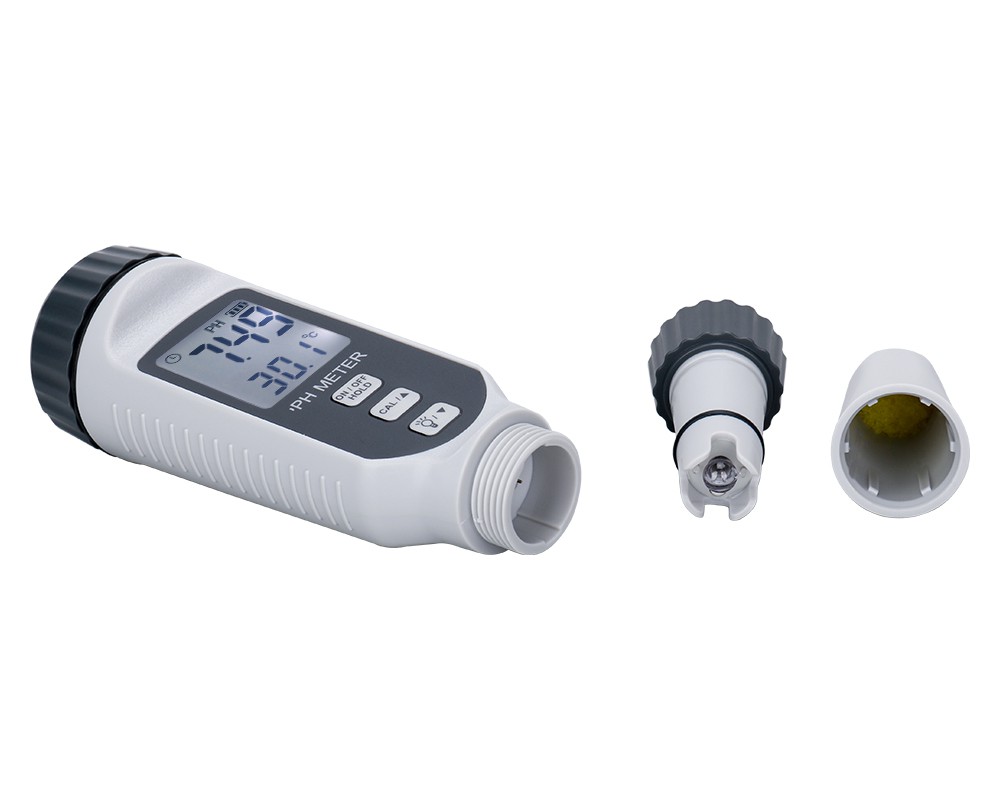
One of the most important parameters to consider when measuring the pH value of a solution is temperature variation. When the temperature of the solution changes, the pH value of the solution also undergoes significant changes. The value of this change is not the error in pH reading, but the true pH value of the solution at the new temperature. Temperature changes may cause changes in the sensitivity of the measuring electrode, leading to measurement errors. This error is predictable and can be resolved through electrode calibration across the entire temperature range and temperature correction during subsequent measurements. The ideal electrode is an electrode that accurately returns to zero at pH=7. At pH=7, the effect of temperature on electrode sensitivity can be ignored. However, most pH electrodes are not ideal electrodes and suffer from electrode sensitivity issues due to temperature changes. The general temperature error is very close to 0.003 PH/℃/the number of PH units deviating from PH=7. In this case, the pH meter must be calibrated to apply the correction factor of 0.003. This compensation can be achieved using a calibrated temperature sensor. Then, the temperature sensor can inform of temperature changes (if any). If there is a change, input the correction factor reading of "0.003 PH/℃/number of PH units deviating from PH=7" into the final PH reading, and the pH meter will be able to display the corrected and more accurate reading. This mechanism can effectively compensate for pH value errors caused by temperature changes.