What are the common types of combustible gas detectors?
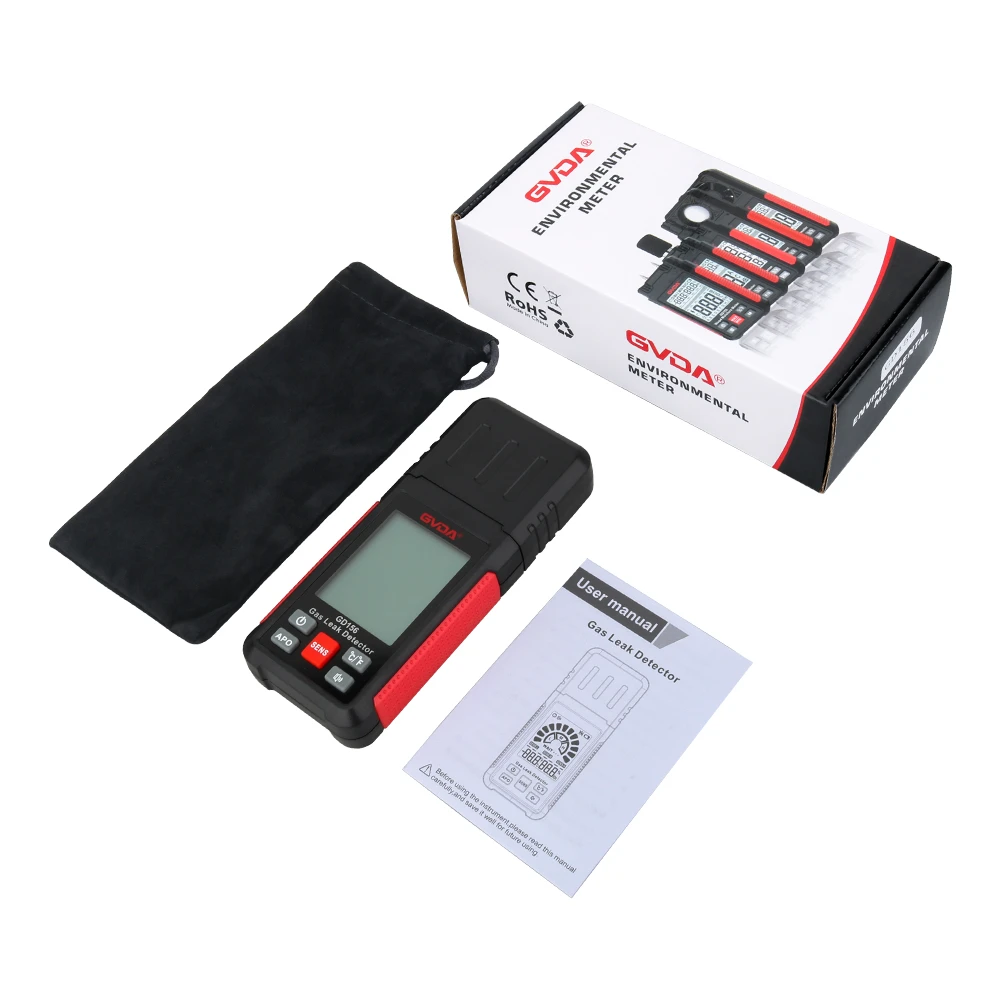
Industrial production is inseparable from combustible gas detectors, which can quickly, safely and stably monitor the use of combustible gases or the generation of combustible gases in industrial production. When the monitoring concentration reaches the preset alarm value of the combustible gas detector, the sound and light alarm will be linked to remind the on-site staff to take necessary protective measures, which can effectively prevent the occurrence of combustion and explosion accidents caused by combustible gas. So what are the common types of combustible gas detectors?
What are the common types of combustible gas detectors?
1. Portable flammable gas detector
This type of combustible gas detector generally adopts natural diffusion method for gas concentration detection, and the catalytic combustion sensor contained in the detector also has high sensitivity. In addition, the combustible gas detector with good quality and low price also adopts embedded micro-control technology, which makes the detector have the advantages of simple operation and complete functions, and greatly improves the efficiency and accuracy of gas detection work.
2. Pump-suction combustible gas detector
This type of combustible gas detector mainly uses a built-in suction pump, which has the characteristics of quickly detecting the concentration of combustible gas in the working environment. Moreover, the pump-suction combustible gas detector not only uses high-quality catalytic combustion sensors, but also has a very clear large LCD screen and excellent sound and light alarm prompts, which can ensure that technicians can successfully detect gases in a relatively unfavorable working environment, and at the same time ensure personal safety. safety.
3. Online flammable gas detector
The online combustible gas detector is generally composed of an alarm and a combustible gas detector. Among them, the gas detection alarm is placed in the duty room, while the fixed combustible gas detector is mainly installed in the position where the gas is easy to leak. If the concentration exceeds the normal range, the alarm will automatically send out an alarm signal and start equipment such as solenoid valves and exhaust fans to automatically eliminate hidden dangers.