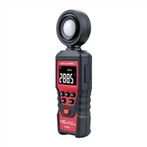
The method of measuring circuit faults with a multimeter using a test pen
1. Measure whether the voltage of the phase and zero lines in the circuit is normal using a voltage tester. If the neon tube on the phase line is on and the zero line is not on, it is considered normal. Explain that the fault lies in the indoor circuit and some electrical equipment. It should be carried out one by one, checking whether sockets, light bulbs, refrigerators, air conditioners, water heaters, etc. are normal.
2. Both the phase line and the zero line are measured with a test pen and are lit. The fault is located on the zero line of the circuit. It is necessary to search for the zero wire break point, whether the zero wire connector has poor contact, and the exact location of the break point.
3. The phase and zero lines do not light up when measured with a test pen. The fault is on the phase line of the circuit. It is necessary to search for broken circuit points and poor contact of joints in the phase line.
4. When the knife switch is in the closed position, the fuse melts. If there is a short circuit between the phase line and the neutral line, the short circuit point and the burnt out electrical appliances should be searched.
5. When the brightness of the neon tube is darker than normal, the zero line is normal. The fault occurred on the phase line, causing reasons such as decreased insulation of the wire, broken outer skin of the wire, and leakage of electricity, resulting in a decrease in voltage and the inability of household appliances to operate normally.
6. Measure whether the phase and zero lines are not lit with an electric tester. First, check whether the switches, knife switches, and fuse wires in the circuit are normal and whether they are in the input position.
7. If it is an indoor hidden wire, the hidden wire is broken, cannot be replaced, and cannot be broken through the wall to check the wire, it should be connected with an exposed wire at the nearest power point indoors, so that the power can be reversed from the socket to the circuit, and the fault situation can be found to narrow down the fault range.
8. It is strictly prohibited to mix copper and aluminum wires. Prolonged contact oxidation, wire breakage, and endangering pedestrian safety.
9. When the lighting switch or leakage protector cannot be closed, first remove the load line, test the switch or leakage protector, and if it is normal, check the load. Use a multimeter to measure the resistance (when normal), which should not be zero, and the measured voltage should be 220V. Conversely, if there is a short circuit phenomenon in the load, replace or repair the wire or lamp in a timely manner.