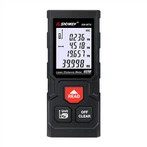
Three entry points for purchasing infrared thermometers
When purchasing an infrared thermometer, it is generally necessary to focus on the following three aspects:
a. In terms of performance indicators, such as temperature range, spot size, working wavelength, measurement accuracy, window, display and output, response time, protection accessories, etc.;
b. Environmental and working conditions, such as ambient temperature, windows, display and output, protective accessories, etc.;
c. Other options, such as ease of use, maintenance and calibration performance, and price, also have a certain impact on the choice of thermometers.
With the continuous development of technology and technology, the best design and new progress of infrared thermometers provide users with various functions and multi-purpose instruments, expanding the choice. Other selection aspects such as ease of use, repair and calibration capabilities, and price. When choosing a thermometer model, you should first determine the measurement requirements, such as the temperature of the target to be measured, the size of the target to be measured, the measurement distance, the material of the target to be measured, the environment of the target, response speed, measurement accuracy, whether to use portable or online, etc. ;In the comparison of various existing models of thermometers, select the instrument model that can meet the above requirements; choose the best match in terms of performance, function and price among many models that can meet the above requirements.
Where are the main areas where infrared thermometers are used
High-temperature infrared thermometers have proven to be effective tools for detecting and diagnosing faults in electronic equipment. With an online infrared thermometer, you can continuously diagnose electrical connection problems and detect the functional status of the uninterruptible power supply (UPS) by looking for hot spots at the output filter connection on the DC battery. You can verify Battery packs and power switchboard terminals, switch gears or fuse connections to prevent energy consumption;
Where are the main areas where infrared thermometers are used? Due to the heat generated by loose connectors and combinations, room temperature infrared thermometers are helpful to identify insulation faults in circuit breakers. Or monitor electronic compressors; hot spots in transformers can be detected by daily scanning Cracked windings and terminals.