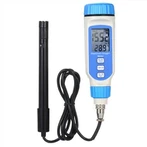
Three popular gas detectors are compared.
1. Characteristics of semiconductor sensors examined
Gas detectors with semiconductor sensors are created using resistance changes. An alcohol sensor is created based on the idea that when tin dioxide comes into contact with alcohol gas at a high temperature, its resistance would rapidly drop. This sensor is ideal for detecting civil gas because of its inexpensive cost and other features. On semiconductor sensor gas detectors, environmental conditions have a considerable impact, causing unstable detection results. This type of gas detector is also unsuitable for locations where precise measurement is required because the output parameters cannot be determined.
2. Evaluation of combustion sensor properties
On the platinum resistor's surface, the combustion sensor creates a high-temperature-resistant catalyst layer. The flammable gas will catalyze and burn once the temperature is right. The platinum resistor's temperature will rise due to burning, which will also cause the resistance to reflect the flammable gas concentration. The catalytic combustion sensor gas detector can only detect combustible gases; if the gas cannot be burned, the sensor will not respond. The catalytic combustion gas detector has a long service life and responds precisely and rapidly.
3. Examining several electrochemical sensor types
Its flammable, poisonous, and hazardous gases can be electrochemically oxidized or reduced, making up a sizeable portion of them. The dry battery and the original battery-powered gas sensor operate on roughly the same principles. Currently, constant potential electrolytic cell type gas sensors are mostly used for the detection of dangerous and harmful gases. Concentration battery-type gas sensors, like oxygen sensors for cars, can generate concentration electromotive force according to gas concentration and detect gas concentration.