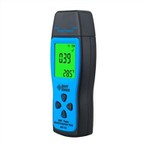
Three Precautions for Operating Portable Gas Detectors
Portable gas detection technology can be applied to hazardous gas detection, organic VOC gas detection, combustible gas detection and single gas detection. It can provide accurate early warnings for potential hazards. This detection technology is developing rapidly and is increasingly widely used for pre-incident inspection and hazard elimination. Its development trend features miniaturization and automation to realize long-term monitoring. Thanks to the development of portable gas detectors, gas leakage can be identified at the initial stage.
Some disasters are inevitable. How to implement effective suppression, monitoring and early warning, and how to adopt high-tech means to effectively control ongoing accidents so as to reduce casualties and property losses are practical problems to be prioritized in key technologies for work safety. By studying the physical and chemical properties of accidents at the early stage, gas detection and monitoring can effectively prevent disasters in advance, control potential accidents before they escalate and protect personal safety. Intelligent monitoring technology serves as the core for the transformation from passive fire fighting and rescue technology to a new generation of active prevention and control technology.
Operators shall observe the following three points when using portable gas detectors:
① Pay attention to the measuring range of the portable gas detector.
Every gas detector has a fixed detection range. Reliable measurements can only be obtained within this range; otherwise, the readings will be far lower than the actual gas concentration in the environment. In addition, long-term over-range measurement will damage the sensor, leading to incorrect readings even within the normal measuring range in subsequent use.
② Pay attention to the service life of the sensor equipped in the gas detector.
All gas detectors have a limited service life, and portable gas detectors are no exception. Sensors will age even if the instrument is not used frequently. Generally speaking, photoionization detectors have the longest service life of about four years; LEL sensors rank second with a service life of more than three years; specific electrochemical gas sensors have a relatively shorter lifespan of one to two years; oxygen sensors can only work for approximately one year.
Therefore, make sure to read the user manual carefully before use and operate the detector within the valid period of the sensor. Replace the sensor immediately once it expires.
③ Conduct regular calibration and testing for the detector.