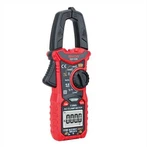
To avoid damage to the multimeter, please note the following:
1. In most cases, damage to a digital multimeter is caused by measurement gear errors. For example, when measuring AC power, if the measurement gear is set to the resistance gear, once the probe contacts the power, it can instantly cause damage to the internal components of the multimeter. Therefore, before using a multimeter for measurement, it is necessary to check whether the measurement gear is correct. After use, place the measurement selection at AC 750V or DC 1000V, so that no matter what parameter is mistakenly measured in the next measurement, it will not cause damage to the digital multimeter.
2. Some digital multimeters are damaged due to the measured voltage and current exceeding the range If measuring the mains power in the 20V range, it is easy to cause damage to the AC amplifier circuit of the digital multimeter, causing the multimeter to lose its AC measurement function. When measuring DC voltage, if the measured voltage exceeds the measurement range, it can also easily cause circuit faults in the meter. When measuring current, if the actual current value exceeds the range, it usually only causes the fuse in the multimeter to burn out and will not cause any other damage. So when measuring voltage parameters, if you don't know the approximate range of the measured voltage, you should first set the measurement gear to a higher gear, measure its value, and then shift gears to obtain more accurate values. If the voltage value to be measured far exceeds the maximum range that the multimeter can measure, a high resistance measuring probe should be provided separately.
3. The upper limit range of most digital multimeters for DC voltage is 1000V, and the upper limit range for AC voltage is 750V. Therefore, the measured voltage is generally below the upper limit range of the multimeter and will not damage the multimeter. If the range exceeds the upper limit of the multimeter, it is highly likely to cause damage to the multimeter.
4. Do not measure voltage in current mode, resistance mode, mode, and buzzer mode. During testing, the function conversion switch cannot be rotated, especially at high voltage and high current.
5. If using a multimeter resistor to check the quality of components or measure the resistance value of components in the circuit, it is not allowed to be charged in the circuit because the multimeter resistor uses the internal battery of the multimeter to work. If the circuit is charged, it is easy to damage the internal battery of the multimeter and affect the measurement accuracy. If the multimeter resistor is equipped with a fuse, it is also easy to damage the equivalent resistance of the resistor,
6. When the battery symbol appears on the screen, it indicates that the battery is low and should be replaced. After each measurement, the instrument should be turned off. Regardless of use or storage, moisture and water ingress are strictly prohibited.