To measure whether the earth cable is well earthed
There are three methods to measure whether the ground wire is in good contact:
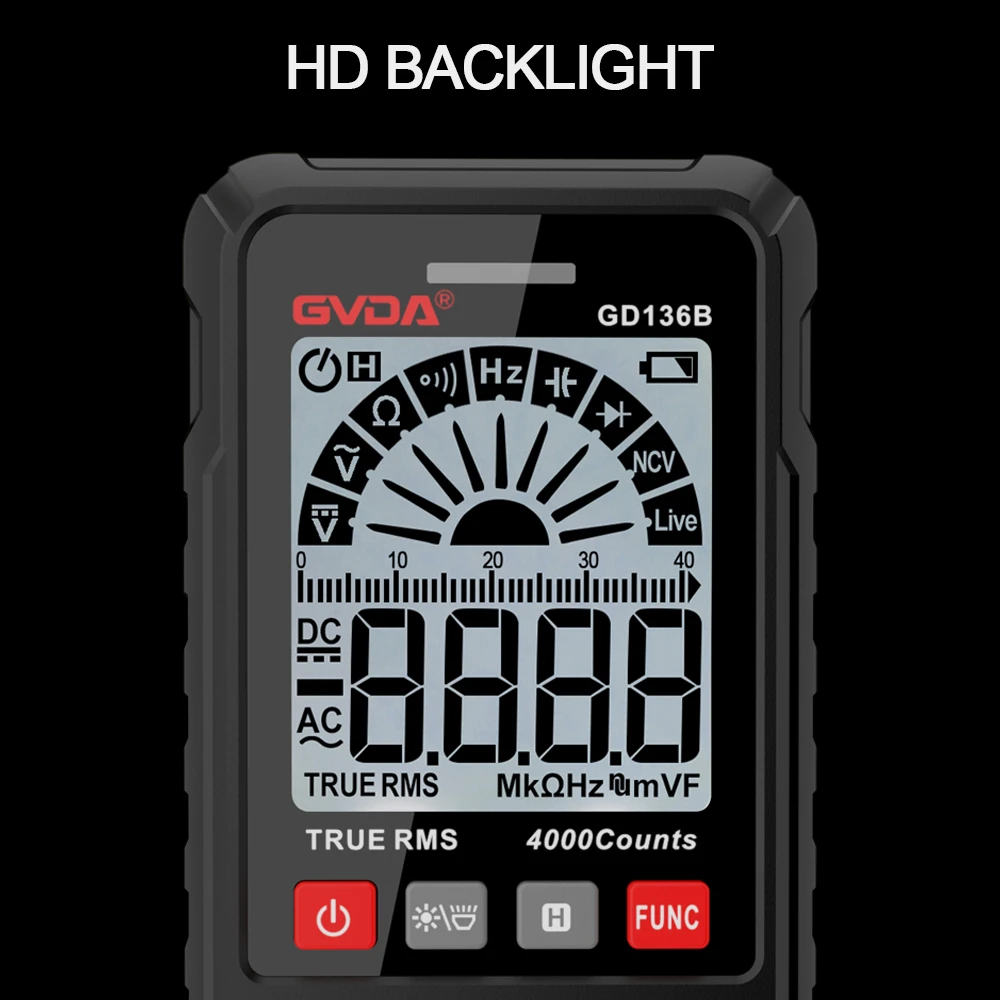
1. Multimeter measurement, also known as multimeter, multimeter, multimeter, multimeter, etc., is an indispensable measuring instrument in power electronics and other departments. Its main purpose is to measure voltage, current, and resistance.
Usage: When measuring, rotate the gear knob to select the correct gear (250V~). Afterwards, insert the black probe into the COM socket and the red probe into the socket marked with "V". Holding a watch in one hand, and holding two probes like chopsticks in the other hand - only plastic sticks can be used, and wires cannot be touched, let alone the metal at the front end. Contact the two probes with the two lines to be tested separately.
Judgment method: If the voltage between the neutral and live wires is the same or slightly higher than the voltage on the ground and live wires (not exceeding 5V), it proves that the ground wire is well grounded, and the smaller the difference between the two, the smaller the grounding resistance. On the contrary, the grounding body will malfunction.
2. To measure a light bulb, it is necessary to first process the bulb and connect two wires for future operation. If there is an idle light socket, the bulb can be directly installed on the socket. Then, connect the bulb between the neutral and live wires, and between the ground and live wires (remember to disconnect the power when wiring), observe the brightness of the bulb, and analyze the results.
In the case of good grounding of the ground wire, the brightness of the bulb is the same twice. If the grounding body malfunctions, the bulb will not light up. If the grounding resistance is only slightly high, then the light bulb will only dim slightly.
3. The grounding resistance tester is generally used for testing during engineering acceptance. The grounding resistance tester can accurately measure the grounding resistance of the ground wire. Generally, the grounding wire used in our household is considered qualified as long as the grounding resistance is not greater than 4 ohms.
The basic functions of a multimeter are:
1. Measurement: Resistance, AC/DC voltage, AC/DC current on/off.
2. Expansion: Capacitors, inductors, diodes, and transistors.
A multimeter has the advantages of versatility, wide range, and easy use, making it the most commonly used tool in electronic measurement. It can be used to measure resistance, AC/DC voltage, and DC voltage. Some multimeters can also measure the main parameters of transistors and the capacitance of capacitors. Mastering the usage of a multimeter is a fundamental skill in electronic technology.
3. Common multimeters include pointer multimeters and digital multimeters. A pointer type multimeter is a multifunctional measuring instrument with the meter head as the core component, and the measured values are read by the pointer on the meter head. The measured values of a digital multimeter are directly displayed in digital form on the LCD screen, making it easy to read. Some even have voice prompts.
4. The DC current range of a multimeter is a multi range DC voltmeter. The parallel connection of a closed circuit voltage divider resistor in the meter head can expand its voltage range. The DC voltage range of a multimeter is a multi range DC voltmeter. Connecting a voltage divider resistor in series with the meter head can expand its voltage range. The corresponding range varies depending on the voltage divider resistor.