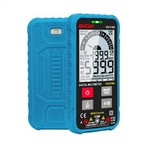
Toxic Gas Detector: Its Sensitivity Keeps Dropping Off? How to Troubleshoot It in These Aspects?
1. Choose the sensitivity level correctly
Toxic gas detection instruments usually offer multiple sensitivity levels, which can be selected according to actual needs. If you need to detect the presence of toxic gases earlier, you can choose a higher sensitivity level. When there are interfering substances related to toxic gases in the environment, a relatively lower sensitivity level can be selected to reduce the possibility of false alarms.
2. Calibration of sensors
Regular calibration of sensors is key to ensuring the normal operation of toxic gas detection alarms, ensuring their accuracy and reliability.
Calibration steps: Refer to the manufacturer's instructions and prepare the calibration gas source and related equipment; Place the toxic gas detector in clean air, ensuring that the sensor is exposed to the environment, and then place the calibration gas source in a suitable location to ensure good contact between the calibration gas and the sensor; Introduce zero gas or clean air for zero calibration of the detector, and then introduce a standard gas of known concentration for range calibration. Adjust the calibration parameters according to the actual response to ensure that the instrument displays the same concentration as the standard gas; After completing the calibration, record the calibration results and test the calibrated toxic gas detector to ensure its normal operation.
3. Consider environmental factors
Environmental factors can affect the sensitivity of toxic gas detection alarms. Factors such as humidity, temperature, and air flow velocity can all affect the operation and sensitivity of sensors. Therefore, when adjusting sensitivity, it is necessary to consider environmental factors and make adjustments according to the actual situation.
4. Regular maintenance and testing
Regular maintenance and testing of toxic gas detection alarms are important steps to ensure their proper functioning. Regular functional and sensitivity testing can ensure that the alarm can accurately alert users when needed. During maintenance, it is necessary to clean the surface and sensors of the toxic gas detector to remove impurities such as dust and dirt that may affect sensitivity. Check whether the sensor is loose or damaged, and repair or replace it in a timely manner. At the same time, it is necessary to check the power supply and wiring of the detector to ensure its normal power supply and signal transmission.
5. Reasonably set alarm thresholds
Based on the specific situation of the workplace and factors such as the type, toxicity, and concentration of harmful gases, conduct a risk assessment and determine a reasonable gas alarm threshold. For highly toxic, flammable, and explosive gases, a lower alarm threshold should be set to ensure timely warning before danger occurs. The setting of alarm threshold should also fully consider the safety of personnel and the performance of gas alarm devices, such as the sensitivity and response time of sensors, to ensure that the detector can accurately and timely respond to changes in harmful gas concentration.
6. Choose appropriate toxic gas detectors and sensors
When choosing a toxic gas detector, it is necessary to select the appropriate type of toxic gas detector according to different industrial environments. The important component of a detector is the sensor, which directly determines the speed, sensitivity, and lifespan of the detector's monitoring. For example, electrochemical sensors can provide multiple advantages. Most sensors are designed for specific gases and have a usable resolution of less than one millionth (1 PPM) of gas concentration, but their response is slower.