Using a multimeter to measure CT polarity
Current transformer, CT that is: current transformer power system is widely used in electromagnetic current transformer (hereinafter referred to as current transformer), its working principle and transformer similar.
Current transformer features are: (1) the primary coil is connected in series in the circuit, and the number of turns is very small, therefore, the current in the primary coil depends entirely on the load current of the circuit under test. And has nothing to do with the secondary current; (2) the secondary coil of the current transformer connected to the instrumentation and relay current coil impedance are very small, so under normal circumstances, the current transformer in the near short-circuit operation.
Current transformer one or two rated current ratio, known as the current transformer rated mutual inductance ratio: kn = I1n/I2n
Because the primary coil rated current I1n has been standardised, the secondary coil rated current I2n unified 5 (1 or 0.5) A, so the current transformer rated mutual inductance ratio has been standardised. kn can also be approximated as a transformer one or two turns of the coil ratio, that is, kn ≈ kN = N1 / N2 in which the number of turns of N1, N2 for one or two coils.
The role of the current transformer is used to measure the larger current.
Commonly speaking, if you want to measure the current of 400A, then if there is no 400A meter you should do, so you have to use the current transformer, the current will be large through the transformer into a small current in the input meter, the transformer is a ratio, such as 200/5 is the meter 40 times, that is to say, your meter on the top of the power, you have actually used 40 degrees of power, the power of the meter, the current transformer is the same as the current transformer. There are many levels of transformers, including 15/5, 30/5, 30/5, 30/5, 30/5, 30/5, 30/5, 30/5, 30/5, 30/5 and 30/5. .30/5,,50/5,,75/5,,,etc. ,,,,,
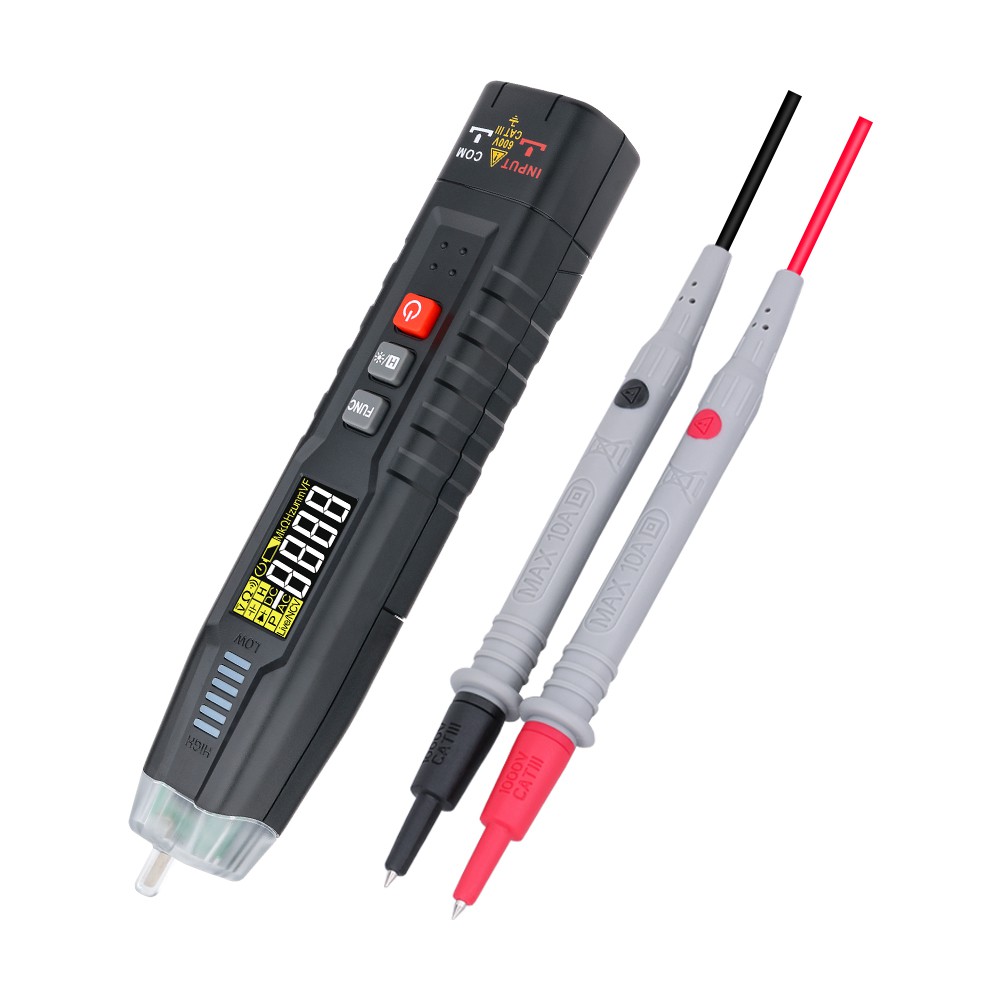
The best way to determine the polarity of the transformer for the scene is to use dry batteries also a pointer multimeter MF47 can be added to the wire, the most direct and easy to see the obvious, the accuracy can reach more than 90%, the method is very simple The primary side of the transformer has a P1 P2 standard secondary more than S1S2 K1K2, etc. will be connected to the positive pole in the secondary side of the positive side of the P1 connected to the positive side of the S1 negative connected to the other section of the secondary side directly connected, and then use the battery to connect, then use the battery to connect to the secondary side of the P2. Side directly connected, and then use the battery directly short-circuit to the primary side of the transformer DC current, then you will see the multimeter pointer swing if the clockwise pole is positive polarity, counterclockwise that is, the negative polarity, indicating that the internal winding error, this time to be observed in detail, because the pointer swing is not large, the same method is recommended to use two 1 # battery is appropriate, because the battery is too dangerous, and test 10 times! About stop half an hour or replace the battery, because the test when the battery heating is very strong, and again recommended not to be lazy to use AC power into the 12V 6V thought you save the battery, but the error increases the safety is reduced, and the polarity tester is now a lot of polarity tester.
Now there are a lot of polarity tester is very cheap about 1,000 a lot, if it is a manufacturer recommended to buy one can be!
If it is the site to use my above method can be said to be the old generation left the classic practice of the tried and true, I use this method for more than 10 years has never been an error.