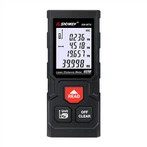
Using a multimeter to measure resistors on the circuit
The resistance value of a resistor can be measured with a multimeter. By measuring the resistance value on the circuit, the quality of the component can be determined. So, how should it be measured specifically? Below is an introduction and analysis for everyone:
1, Road measurement method:
This measurement method is a very commonly used measurement convenience, loved by people for its simple operation and high reliability of measurement results.
Firstly, shift the multimeter to the appropriate gear, then measure the resistance of the resistor once and record it. Finally, swap the red and black probe pins and record the measurement. The highest of the two measurements is taken as the reference resistance.
2, Analysis of road measurement results
Due to the influence of surrounding circuits, the measurement results of the circuit may be inaccurate. The specific measurement method is as follows: place two meter bars on the solder joints of the two pins of the resistor, measure the resistance value once, swap the red and black meter bars once, measure the tissue again, take the higher resistance value as the reference resistance value, and then set R.
If the two measurement results after swapping the red and black meters are the same, there is no need to perform the following analysis, and the final measurement result is the measured resistance value.
The measured resistance value R is analyzed and judged in four different situations.
1. If R is greater than the nominal resistance of the measured resistor, testing can determine that the resistor has an open circuit or an increased resistance, indicating that the resistor is damaged.
2. R is very close to the nominal structure of the measured resistor, and it can be considered normal at this point.
3. R is very close to zero, and at this point it cannot be determined that the measured resistor is broken (usually the phenomenon of resistor breaking is not common). Further testing is needed to confirm, as shown in the figure below. In the measured result, R will be very close to zero.
Important note: Due to the short circuit of resistor R1 in coil L1, the measured resistance value is the DC resistance of the coil, which is very small. In this case, the disconnection detection method described later can be used for further inspection.