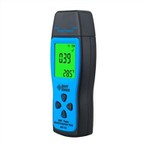
What are some tips for using a multimeter
Measure 220V AC. Set the range switch to 500V AC. The full scale is 500V, and the reading is according to the scale 1:1. Insert the two pens into the power supply socket, the scale pointed out by the needle is the measured voltage value. Measurement of AC voltage, the pen does not have a positive or negative one, the choice of pointer and digital table:
1, pointer table reading accuracy is poor, but the pointer swing process is more intuitive, the swing speed amplitude can sometimes be more objective to reflect the size of the measurement (such as measurement of the TV data bus (SDL) in the transmission of data when the slight jitter); digital table readings are intuitive, but the process of the digital changes look very messy, not very easy to watch.
2, pointer table generally have two batteries, a low-voltage 1.5V, a high-voltage 9V or 15V, its black pen is positive relative to the red pen. Digital meter is commonly used a 6V or 9V battery. In the resistance file, the pointer meter pen output current relative to the digital meter is much larger, with R × 1Ω file can make the speaker emit a loud "da" sound, with R × 10kΩ file can even light up the light-emitting diode (LED).
3, in the voltage file, the pointer table internal resistance is relatively small compared to the digital table, the measurement accuracy is poorer. Some high-voltage micro-current occasions can not even be measured accurately, because of its internal resistance will affect the measured circuit (for example, in the measurement of the accelerated stage voltage of the TV tube when the measured value will be much lower than the actual value). The internal resistance of a digital meter's voltage range is very high, at least on the megohm scale, and has very little effect on the circuit under test. But the very high output impedance makes it susceptible to the influence of induced voltage, in some electromagnetic interference is relatively strong occasions measured data may be false.
4, in short, in relatively high-current, high-voltage analog circuit measurements in the application of pointer gauge, such as televisions, audio amplifiers. In the low-voltage small-current digital circuit measurements for digital meters, such as beepers, cell phones and so on. Not absolute, according to the situation can be selected pointer meter and digital meter.
Measurement techniques (if not specified, it refers to the use of the pointer meter)
1, measuring speakers, headphones, moving-coil microphone: R × 1Ω file, any pen connected to one end, the other pen to touch the other end, the normal will be issued when the amount of crisp and loud "da" sound. If it does not ring, the coil is broken, if the sound is small and sharp, there is a problem of rubbing the circle, and can not be used.