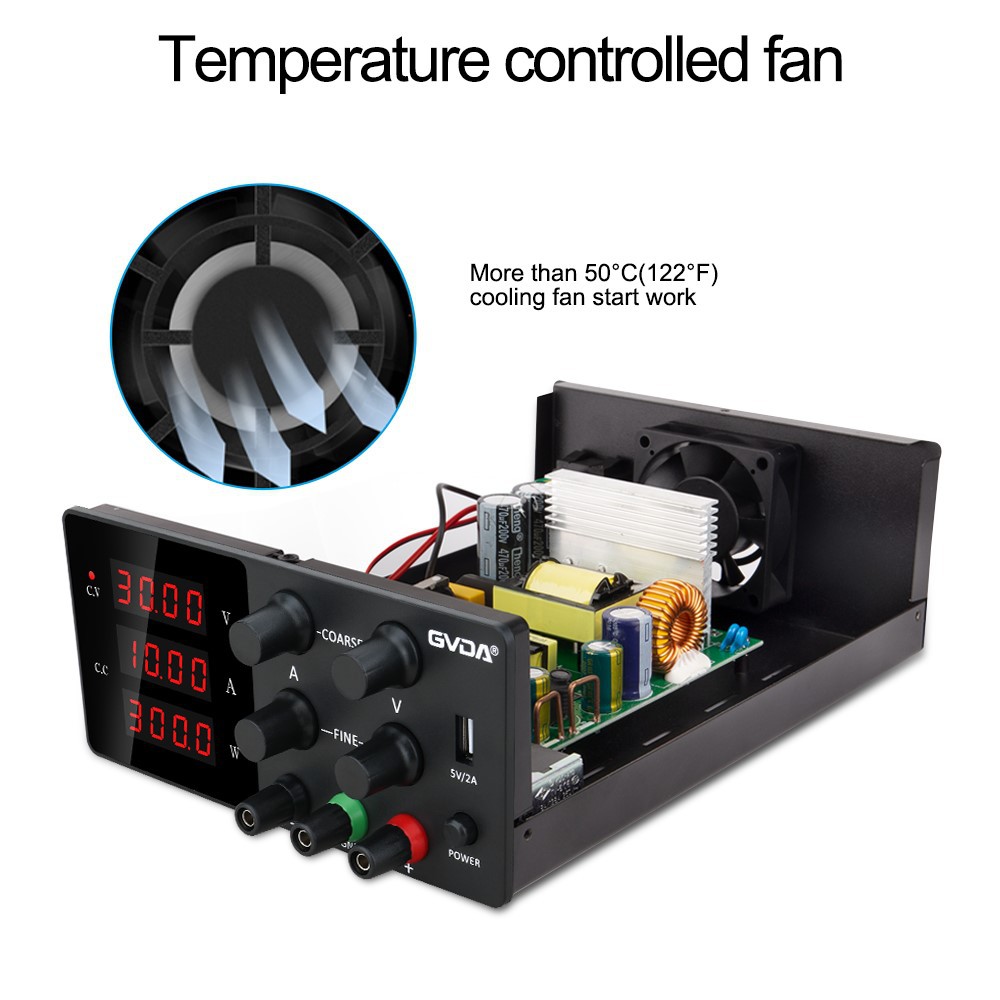
What are the cold ground and hot ground of a switching power supply?
How do the cold ground and hot ground of a switching power supply come about? After three-phase rectification, they are converted into direct current and supplied to the switching power supply. At this time, the primary side of the flyback switching power supply is still connected to the power grid and is still in the strong current area. The ground in the strong current area is called the hot ground, which should be correct. However, the secondary side of the switching tube has 8 windings, three driving power supplies, and some are power supplies for operational amplifiers, fans, and relays. But why is the ground of the driving power supply called the hot ground, while the rest is the cold ground? After three-phase rectification, the negative power supply is also called the hot ground? How did this hot and cold ground come about? What if a non isolated power supply is used instead of a flyback switching power supply?
In switch mode power supplies, cold ground and hot ground refer to two different locations in the circuit. Cold ground refers to the grounding point in a circuit, usually connected to a safe ground, used to provide a zero potential reference point for the circuit. Hot ground refers to the location in a circuit that is connected to a high-voltage power source or a high current load, usually in a strong electrical area.
The determination of cold and hot ground is based on the design and layout of the circuit. In a flyback switching power supply, the primary side is connected to the power grid, so the thermal ground is usually connected to the ground wire of the primary side, as the primary side is a strong electrical area. There are multiple windings on the secondary side, among which the driving power supply is used to control the power supply of the switching tube, so its ground is usually connected to the ground of the primary side, which is called the thermal ground. Other windings such as fan power supply, relay power supply, etc. are connected to high-voltage power supply or high current load, so their ground is called thermal ground.
If non isolated power supply is used, that is, without current and signal isolation, the determination of cold ground and hot ground may be different, which needs to be determined according to the circuit design. According to the requirements of the circuit, cold ground and hot ground may be redefined to meet specific requirements of the circuit.