What are the main combustible gases? Dangers of combustible gas!
The following categories comprise the majority of combustible gases:
1. Natural gas: Mostly composed of methane, it also contains trace amounts of butane, pentane, ethane, hydrogen sulfide, carbon dioxide, and other gases.
2. Liquefied petroleum gas: Propane and butane are the principal ingredients. Once it spills, liquefied petroleum gas can be identified by its distinct odor. It takes a lot of oxygen to sustain combustion when LPG is burnt totally.
3. Biogas: When organic waste is isolated from air and particular temperature, humidity, pH, and other parameters are met, biogas bacteria act to make this flammable gas. Methane makes up the majority of biogas; the remaining components are carbon dioxide, oxygen, nitrogen, and hydrogen sulfide. There is between 30% to 45% carbon dioxide content and between 55% and 70% methane content.
4. Gas: The primary constituent is methane, a colorless, odorless, combustible gas with a density less than that of air that is difficult to dissolve in water. It achieves a specific temperature and becomes prone to explosion in a specific area when combined with oxygen or air.
5. Coal gas: Main constituents include hydrogen, carbon monoxide, and various aromatics, alkanes, and alkenes.
Particular flammable gases will have slightly different compositions and qualities, therefore while employing them, extra caution regarding safety is required.
Combustible gas hazards include tissue suffocation, fainting, paralysis, and other personal injuries. Red blood cells' ability to carry oxygen is reduced when a gas leaks and is inhaled by the human body. It is simple for flammable gas to explode at a specific concentration, leading to dangerous mishaps like fires.
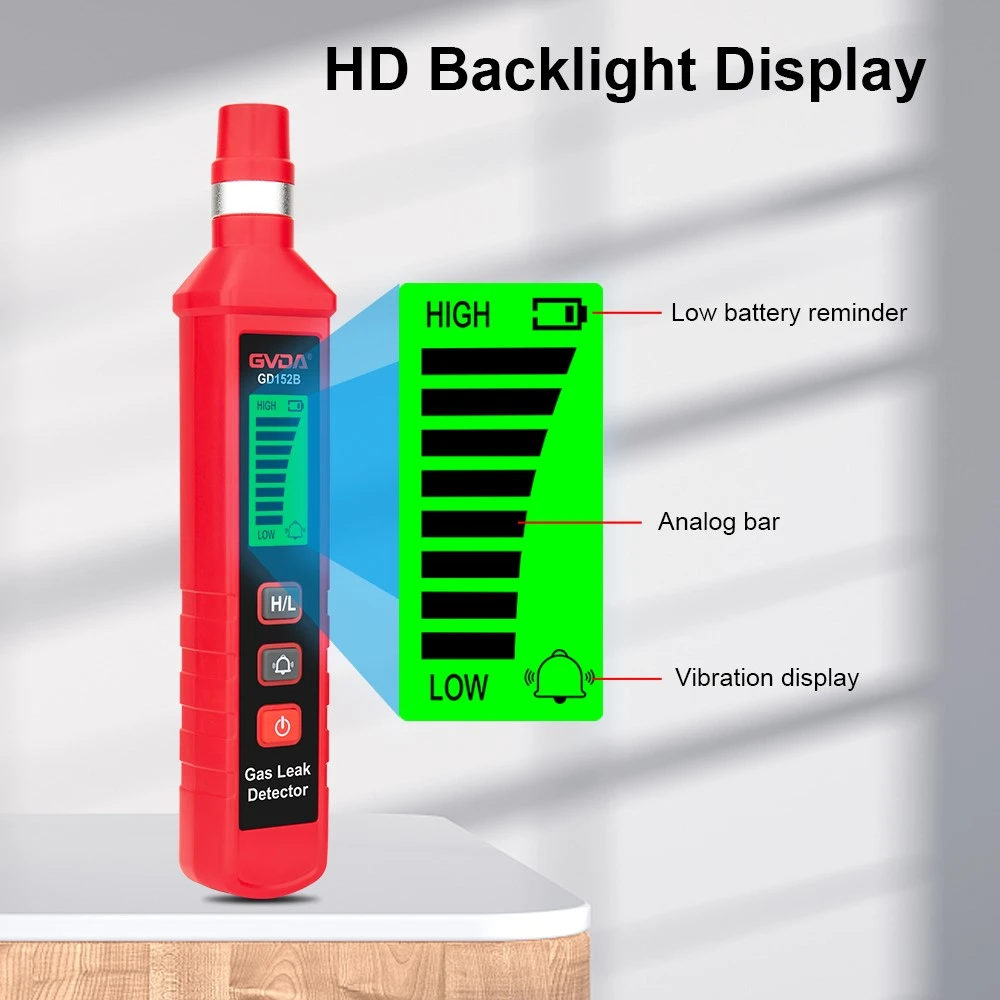
To guarantee safe production, a flammable gas detector can be installed to monitor the gas concentration. Environmental contamination will also result from flammable gas leaks. As a result, combustible gas monitoring contributes to environmental protection and the advancement of sustainable development. Completing regulatory standards is also necessary for relevant industries and businesses.