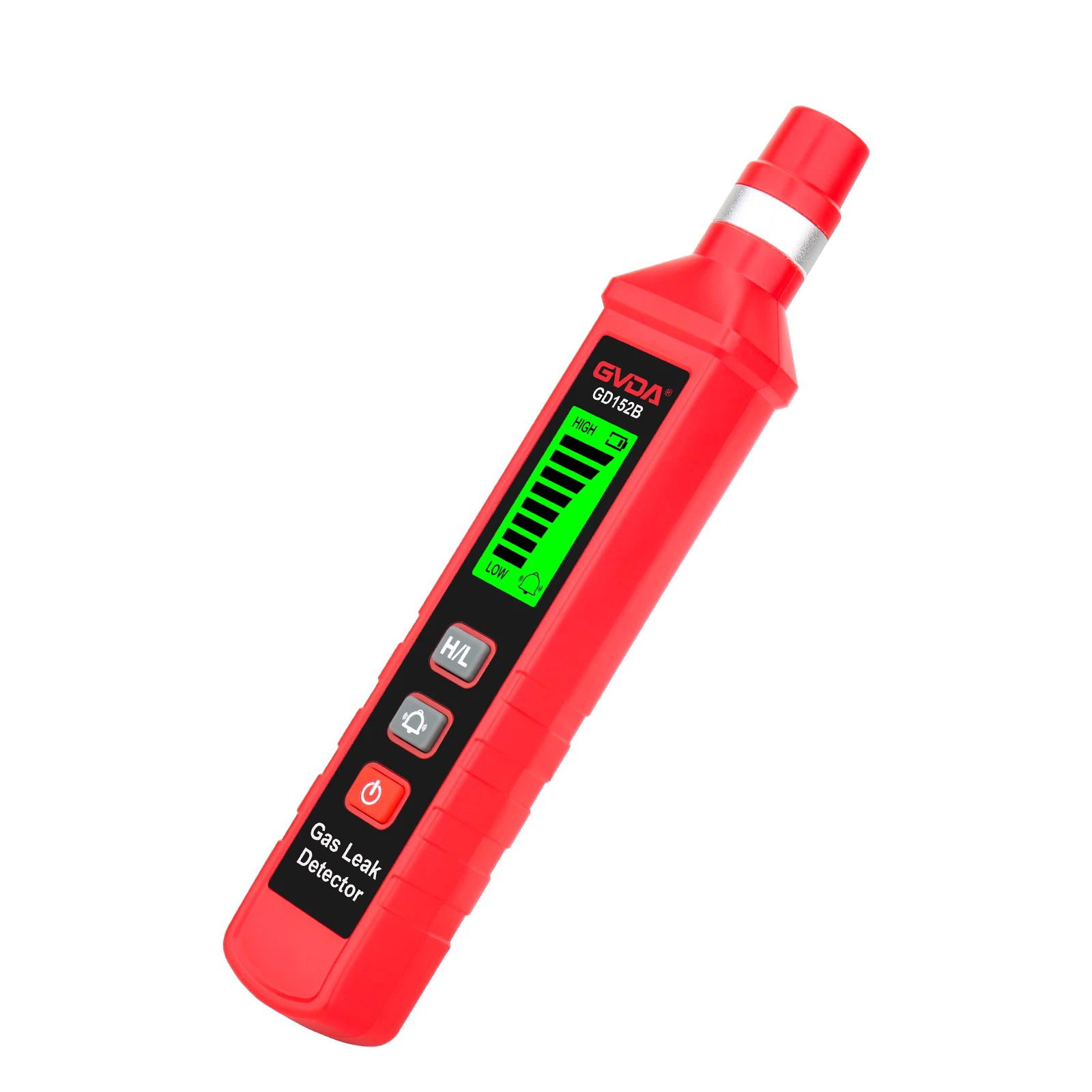
What is the combustible gas detector's range?
The detection range of combustible gas detectors is mostly standardized within 0-100% LEL. If the detected concentration of combustible gas leakage is greater than 25% LEL and less than 50% LEL, the combustible gas detector will issue a low alarm. When the concentration of combustible gas leakage exceeds 50% LEL, the combustible gas detector will emit high-frequency sound and light alarm warning signals to enhance the control of combustible gases in the environment by on-site operators, thereby achieving safe and efficient production.
What is the range of the combustible gas detector
The combustible gas detector can detect many combustible gases, such as natural gas, liquefied gas, coal gas, ethane, acetylene, butane, n-butane, isobutane, pentane, hexane, halogenated hydrocarbons (chloromethane, methylene chloride, trichloroethane, vinyl chloride), alcohols (methanol, ethanol, propanol), ethers, ketones (butanone, acetone), hydrogen, toluene, and other compounds (gasoline, industrial solvents, paints, thinners, coolants, dry cleaning solutions, methyl acetate, etc.).
What is LEL?
LEL refers to the lower explosive limit of a gas. When combustible gases, vapors of combustible liquids (or combustible dust) mix with air and reach a certain concentration, they will explode when exposed to a source of fire. This concentration range within which an explosion can occur is called the explosion limit. The lower explosive limit of each gas is different.
The explosion limit of hydrogen gas is 4.0% lower and 74.2% upper, and it can ignite and explode when exposed to air and open flames. 4.0% is the minimum volume fraction of hydrogen gas that can explode when exposed to an open flame. If it is below this threshold, it will not ignite or explode when exposed to an open flame. 74.2% is the maximum limit (or upper limit) of the highest volume fraction. When the volume fraction exceeds this upper limit, it can safely burn in the presence of air and open flames, and there will be no explosion. In short, within the range where the volume fraction is below or below the explosion limit, it will not explode when exposed to open flames.
Catalytic combustion gas detector is used to monitor the changes of combustible gases in the surrounding air within the range of 0-100% LEL. The sensor adopts catalytic combustion technology and can be replaced on site. Catalytic combustion sensors have a sensitive response to a wide variety of combustible gases. This technology has universal applicability for flammable gases.
Combustible gas detector is a gas detector installed and used in industrial and civil buildings that responds to the concentration of single or multiple combustible gases. The most commonly used combustible gas detectors in daily life are catalytic combustible gas detectors and semiconductor combustible gas detectors.