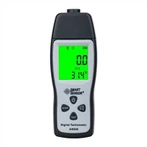
What Is the Correct Method for Using a Combustible Gas Detector?
Combustible gas detector is a detector that responds to the concentration of single or multiple combustible gases. It is installed in the workplace to detect changes in the concentration of combustible gases in the air in a timely manner when a combustible gas leak occurs during the production process, and the accumulated concentration of combustible gases reaches or exceeds the explosive value. By emitting sound and light alarm signals, the danger is transmitted to safety management personnel and on-site workers. So what are the correct methods for using a combustible gas detector?
Preparation before use
1. Check the integrity of the equipment:
Carefully inspect the casing of the combustible gas detector for any signs of damage, cracks, or wear. If the casing is damaged, it may affect the sealing of the instrument, resulting in inaccurate test results or making the instrument more susceptible to external environmental interference. Check if the supporting accessories such as battery (if portable detector), charger, sampling tube (if any) are complete. Ensure that the battery is fully charged, and for rechargeable batteries, check if they are charging properly.
2. Calibration instrument:
The combustible gas detector needs to be calibrated regularly to ensure the accuracy of the detection results. As the usage time increases, the sensors of the instrument may drift, that is, the deviation between the detection results and the actual gas concentration will gradually increase. According to the operating manual of the instrument, use standard gas for calibration. Introduce a standard combustible gas of known concentration into the detector, and the instrument will automatically adjust its internal parameters based on the concentration of the standard gas to ensure that the detection results match the concentration of the standard gas. The calibration steps for different models of detectors may vary, so it is necessary to strictly follow the operation manual.
Operation during the detection process
1. Choose the appropriate detection location:
Select the detection location based on the characteristics of the gas to be tested. For example, for combustible gases that are lighter than air (such as hydrogen), the detector should be placed near the ceiling; For combustible gases heavier than air (such as liquefied petroleum gas), the detector should be placed near the ground. In industrial production scenarios, it is important to understand the possible locations of leakage sources, such as near pipeline interfaces, valves, and other areas that are prone to leakage.
2. Stability detector:
For portable combustible gas detectors, it is necessary to maintain the stability of the detector and avoid shaking during detection. Slowly approach the sensor part of the detector towards the detection area so that the gas can fully contact the sensor.
3. Avoid airflow interference:
Reasonably install the detector according to the airflow situation of the detection environment, avoiding direct impact of airflow on the sampling port or preventing the gas in the detection area from reaching the sampling port.