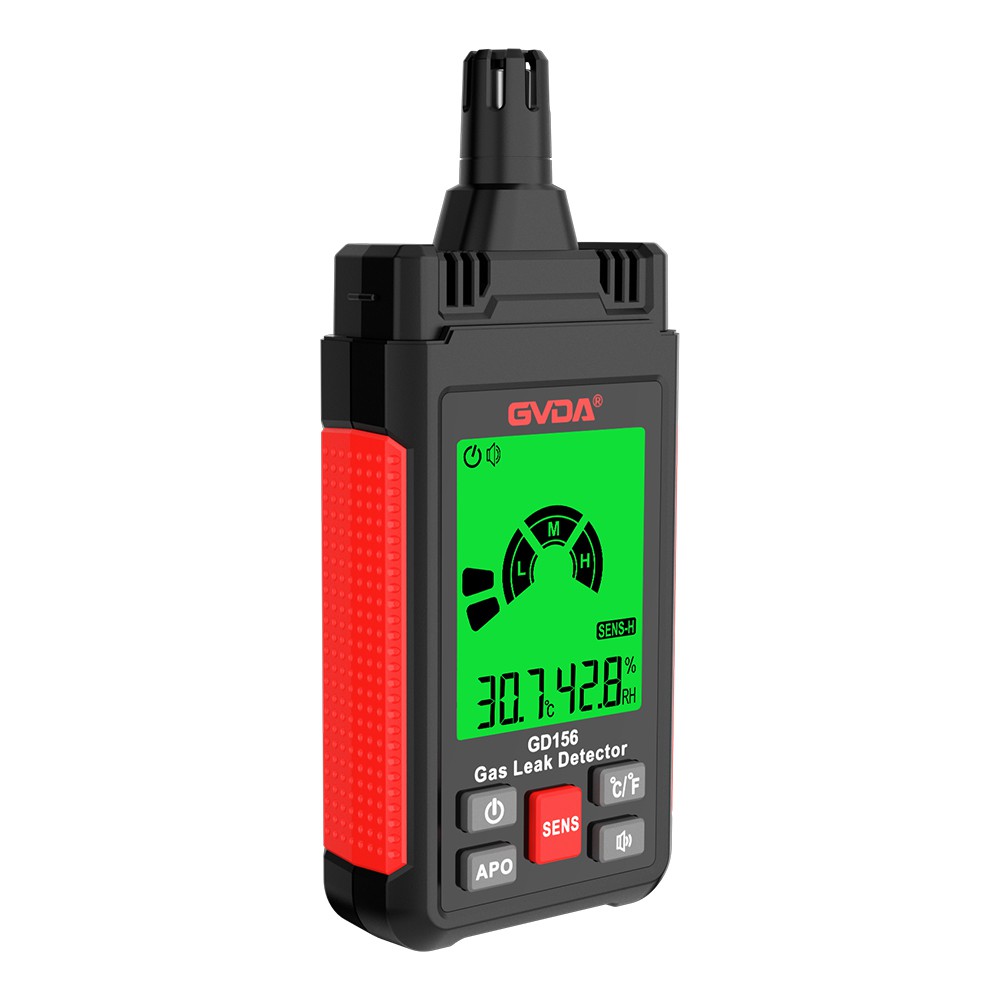
What is the difference between a combustible gas detector and a toxic gas detector?
The combustible gas detector detects single or multiple combustible gas concentrations. There are two types of combustible gas detectors: catalytic combustion type and infrared optical type. When combustible gas enters the sensor, the oxidation reaction (flameless combustion) it produces appears on the surface of the platinum wire. The heat increases the temperature of the platinum wire, the resistivity of the platinum wire changes, and the generated data is transmitted to the display panel.
Toxic gas detectors can be used for toxic gas concentrations in the petroleum, chemical and pharmaceutical fields to ensure worker safety!
There are three detection types of harmful gas detectors: basically using the electrochemical detection principle. In addition, there are infrared optical type and infrared optical type PID photoionization type.
When toxic and harmful gases pass through the sensor, the sensor changes its concentration and the data generated is transmitted to the display panel.
Combustible gases and toxic gases are often used in industrial sites and laboratories. For the safety of workers and industrial sites, it is necessary that every worker knows how to distinguish between these two gas detectors and needs to know how to use them.
Gas detector maintenance methods
1. When using the gas detector, the instrument should always be kept in a dry environment and kept away from moisture, rain and corrosive liquids.
2. The gas detector cannot be used in dusty or harsh environments for a long time.
3. The gas detector should be stored in a clean and temperature-adapted environment, and try to avoid storage in high temperature or cold places.
4. The instrument is a precision type. It should be handled with care during use and avoid falling, knocking, shaking, etc. Rough use may cause damage to the instrument.
5. When cleaning the instrument, you should choose a clean cotton ball, dip it in a little water or soapy water, wipe it carefully and dry it in time. The filter in the detector should also be kept clean. If the cleaning liquid flows into the detection hole, you can Just turn it upside down and let the liquid drain out on its own.
6. The instrument is powered by batteries. When charging, you should choose the correct type of charger to avoid damage to the instrument caused by incorrect chargers.
7. If the instrument does not operate normally during use, professional personnel should perform troubleshooting.