What Is the Service Life of Gas Detector Sensors
Many users are unaware of the service life of gas detectors after purchase, and some even assume that the device can work permanently. This understanding is incorrect.
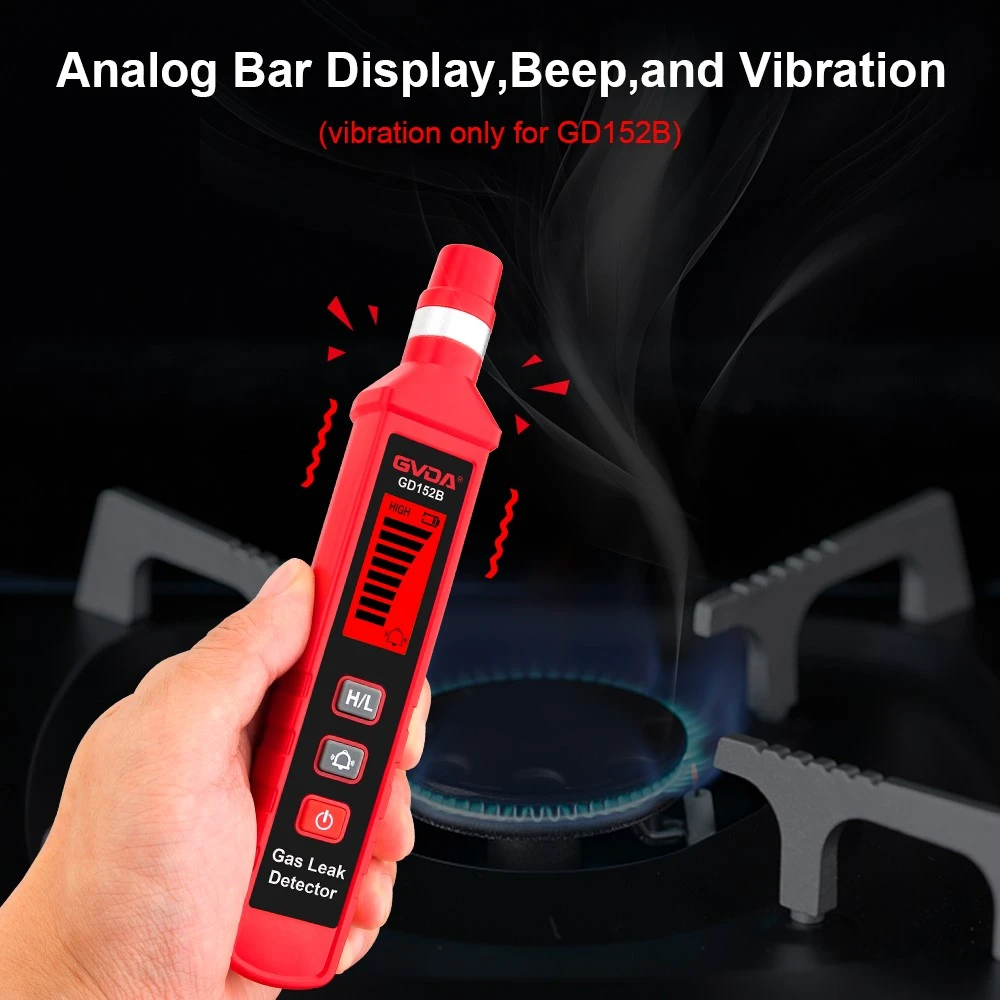
The service life of a gas detector mainly depends on its core component - the sensor.
No single sensor can detect all types of gases and satisfy all application requirements. Different sensors are adopted for various gases and working environments. They are roughly divided into sensors for measuring toxic‑gas concentrations and sensors for detecting explosive concentrations of combustible gases.
Most sensors for toxic‑gas measurement are electrochemical sensors operating on electrochemical principles. Their service life is primarily determined by the electrolyte. After 2‑3 years, the electrolyte will be depleted and the sensor can no longer function properly. Hence, the service life of electrochemical sensors is 2‑3 years.
Most sensors for combustible‑gas detection are catalytic‑combustion sensors with a service life of 3‑5 years. Furthermore, the sensor service life of gas detectors (including fixed and portable gas alarms) is strongly related to the gas concentration to which they are exposed. For example, an ammonia sensor continuously exposed to 2 ppm ammonia has a service life of approximately one year (2 ppm‑year lifespan). If exposed to 4 ppm ammonia, its service life drops to only six months. Therefore, ammonia sensors are not suitable for fertilizer plants, where the average ammonia concentration reaches 20‑30 ppm.