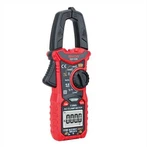
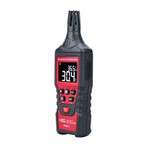
What points should be paid attention to when choosing a toxic and harmful gas detector?
How to choose a toxic and harmful gas detector
The general requirements for toxic and harmful gas detectors are relatively strict. If you do not pay attention to any problems when selecting toxic and harmful gas detectors, it may lead to some accidents. Let's take a look at what should be paid attention to in the selection of toxic and harmful gas detectors question!
One: Selection principles of toxic and harmful gas detectors
1. According to the toxic and harmful gas that needs to be monitored and alarmed in the workplace, select the appropriate toxic and harmful gas detector
2. The detection range of the toxic and harmful gas detector, the alarm accuracy, selectivity and service life of the detection box should meet the alarm requirements. The detector should have the ability to resist poisoning damage
3. Select the appropriate toxic and harmful gas detector according to the environment and working conditions of the source and point of release of toxic and harmful gases
4. Select toxic and harmful gas detectors with different structures and forms according to the laborers' work activities
4.1 Toxic and harmful workplaces where laborers frequently move should be equipped with fixed toxic and harmful gas detectors
4.2 Toxic and harmful gas workplaces where workers move for a short time should be equipped with mobile toxic and harmful gas detection
4.3 It is inconvenient to install fixed or mobile toxic and harmful gas detectors, or in toxic and harmful workplaces where workers move temporarily or under emergency conditions for accidents, it is advisable to equip portable toxic and harmful gas detectors.
Two: The function and quality requirements of the selection of toxic and harmful gas detectors
1. The detector should be selective for the detection of toxic and harmful gases, be able to resist the interference of non-detected gases, and provide accurate instructions and alarms
2. The detector can cover a certain monitoring area, and can realize effective detection and alarm for the toxic and harmful gases released in this area
3. The detector should have automatic compensation for changes in ambient temperature and humidity, and protective measures against mechanical damage, rain, wind and sand, etc. It should also have an anti-electromagnetic interference function to avoid signal distortion.
4. The detector should have reliability guarantee functions such as zero adjustment, calibration and fault alarm
5. The alarm mode of the detector can enable workers to respond in time, and can be linked with the control device if necessary
6. The detector should meet the requirements of GB12358: the instruments used in explosion-proof places should meet the requirements of GB50058 and GB3836.1, and other components and transmission wires should meet the requirements of relevant standards and specifications
7. Within the specified calibration time interval, all technical indicators of the detector should meet the requirements.
The above are the problems that toxic and harmful gas detectors should pay attention to. When detecting toxic and harmful gases, you should be fully prepared and follow the selection principles and precautions!