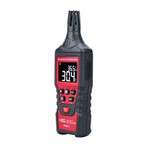
What precautions should be taken when using an ozone detector in the water treatment industry?
1. Accurate installation layout:
To ensure that the ozone detector can accurately capture and reflect the true state of ozone concentration in water, its installation location needs to be carefully planned. The ideal position should be located downstream of the ozone injection point, in a section where the water flow is stable and evenly mixed, while staying away from blind spots and bubble enrichment areas to maximize detection accuracy.
2. Accurate adaptation of detection range:
Based on the specific requirements of the water treatment process, namely the actual dosage and expected concentration range of ozone, carefully select the detection range of the ozone detector to ensure that it is neither too wide to reduce accuracy nor too narrow to limit the detection range, achieving the optimal match between detection capability and actual needs.
3. Effective avoidance of interference factors:
Given that residual chlorine, organic matter, and other interfering substances in water may cause reading deviations in ozone detectors, targeted measures need to be taken, such as using pre-treatment steps or selecting detectors with advanced anti-interference technology, to ensure the purity and accuracy of the detection results.
4. Regular calibration and comprehensive maintenance:
To ensure the long-term stable operation and high-precision detection of the ozone detector, a strict calibration and maintenance plan should be developed and implemented based on the frequency of use and environmental conditions, including regular calibration tests (generally recommended every six months to one year), as well as daily sensor cleaning, sealing verification, and necessary component replacement to maintain the optimal performance of the instrument.
5. Data management and security protection:
Establish a sound data recording and analysis system, track the output data of ozone detectors in real time, adjust and optimize ozone dosing strategies based on this, and improve water treatment efficiency. At the same time, strengthen safety protection measures to ensure the safe operating environment of the ozone detector, including good grounding protection, effectively prevent ozone leakage and electric shock risks, and provide dual protection for operators and equipment.