What should you pay attention to when using a gas detector?
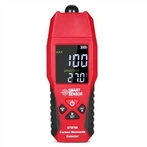
The gas detector is an instrument used to detect gases. Its application fields are relatively wide. When we use the instrument, we should adopt the correct method of use. Below, Blue Moon Measurement and Control will introduce the all-in-one multi-gas detector. What to pay attention to when using it.
1. Correctly choose a gas detector: Choose a suitable all-in-one multi-gas detector according to the types of gases that need to be detected.
2. Use the detector correctly: calibration and inspection are required before use. When using it, avoid using it in an environment with interfering gases.
3. Correct reading: When reading, you need to wait for the reading to stabilize before reading.
4. Properly maintain the detector: After use, cleaning and maintenance are required. Replace batteries and sensors regularly to ensure the accuracy and reliability of the detector.
5. Pay attention to safety: When using the all-in-one multi-gas detector, you need to pay attention to safety. Do not use the detector in open flames, flammable and explosive gases or other hazardous environments.
In short, when using an all-in-one multi-gas detector, you need to pay attention to correct selection, correct use, correct readings, correct maintenance and pay attention to safety.
Which industries need gas detectors more?
1. Workers: Workers in chemical, petroleum, natural gas, coal mining and other industries often need to work in environments containing harmful gases. The use of gas detectors can detect and avoid dangers in time.
2. Rescue personnel: Firefighters, police officers, medical emergency personnel, etc. may encounter various toxic or harmful gas environments when performing tasks. The use of gas detectors can protect their safety.
3. Environmental workers: Environmental workers need to detect harmful gases in the environment for effective treatment and protection.
4. Scientific researchers: Scientific researchers who conduct various experiments in the laboratory need to use gas detectors to monitor harmful gases that may be generated during the experiment.
5. Home users: For some home users, they may need to detect harmful gases such as carbon monoxide and gas at home to ensure the safety of the home.