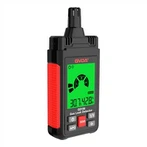
What to look for when selecting a probe for a coating thickness gauge
How to choose the correct probe for coating thickness gauge? The coating thickness gauge is an instrument specially used to test the thickness of the coating on the surface of the substrate. There are mainly two types: one-piece and split-type. The split-type probe can be replaced. Generally, we mainly pay attention to the following points when choosing:
1. Measuring range, which can test the coating thickness range.
2. Temperature, high temperature probes must be used in high temperature occasions (note: high temperature occasions generally refer to occasions where the temperature exceeds 60°C).
3. Depending on the shape of the object to be tested, choosing a suitable probe for different objects can effectively improve the test accuracy. For the main selection of probes, please refer to the following:
Straight probes – measure coatings on flat and curved surfaces
Micro Probe – Ideal for measuring edge coatings, narrow tube coatings or small surface area coatings
Right-angle probes – for measuring in hard-to-reach places
PINIP™ probes – plug-in probes that convert two-piece instruments into one-piece instruments
Distal Probe – Extends right-angle probes to reach hard-to-reach places with standard probes
Ultrasound/scanning probes - these probes feature replaceable probe covers - allowing the user to take single readings or scan large surface areas without damaging the probe
Waterproof probe – closed design, use in deep water, even wearing diving gloves will not affect the use
Anodized Probes – Resistant to chemical solvents, ideal for use in anodizing environments
Armored Probes – Probes have heavy metal reinforced cables to reduce the risk of cable damage
Soft Coating Probe – Large area surface probe for detecting soft covering materials (HVCA certified)