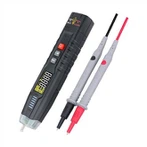
What types of gases can the gas detector detect?
When it comes to gas detectors, many people may not know much about them. Gas detectors can detect gas leakage and remind people to take safety measures such as evacuation, forced ventilation, and shutdown of equipment by sending out sound and light alarm signals. An indispensable instrument in industrial production and daily life. But the gas detector is not able to detect any gas, so what are the types of gases that the gas detector can detect?
The gas types that gas detectors often need to detect are mainly divided into three categories: combustible gases, toxic gases and VOC (volatile organic compounds).
Combustible gas is often encountered in use. The concept of combustible gas means that it can be uniformly mixed with air (or oxygen) within a certain concentration range to form a premixed gas. It will explode when encountering a fire source, and release a large amount of gas during combustion. energy gas.
Such gases are ubiquitous in the working environment of petrochemical and chemical manufacturing industries. Our common combustible gases are hydrogen (H2), methane (CH4), ethane (C2H6), propane (C3H8), butane ( C4H10), ethylene (C2H4), propylene (C3H6), butene (C4H8), acetylene (C2H2), propyne (C3H4), butyne (C4H6), etc.
Toxic gas is a gas that is harmful to the human body and can cause poisoning. It is mainly divided into irritating gas (refers to the gas that has an irritating effect on the eyes and respiratory tract mucous membrane) and suffocating gas (refers to the gas that can cause the body to lack oxygen. Toxic gas asphyxiating gas can be divided into simple asphyxiating gas, blood asphyxiating gas and cell asphyxiating gas), these gases can directly cause harm to the human body, and are also very dangerous, common toxic gases carbon monoxide (CO), hydrogen sulfide (H2S), ammonia (NH3), chlorine (CL2), sulfur dioxide (SO2), nitrogen dioxide (NO2), nitric oxide (NO), carbon dioxide (CO2), etc.
The concept of VOC is any organic liquid or solid that can volatilize spontaneously under normal temperature and pressure, usually called organic solvents. Common detectors can detect gasoline, diesel, benzene, crude oil, paint, etc.
The above-mentioned types of gases that can be detected by gas detectors are shared here. In short, because the types of gases encountered by each production department are different. When choosing, we must consider all possible situations. For example, in the mining environment of coal mines, methane and less toxic alkanes are mostly, so it is undoubtedly more appropriate to choose a combustible gas detector. This is not only because the detection principle of the combustible gas detector is simple and widely used, but it also has the characteristics of convenient maintenance and calibration. If there are toxic gases such as carbon monoxide and hydrogen sulfide, it is necessary to choose a gas detector that detects combustible gas, carbon monoxide, hydrogen sulfide, and oxygen at the same time to ensure the safety of workers.