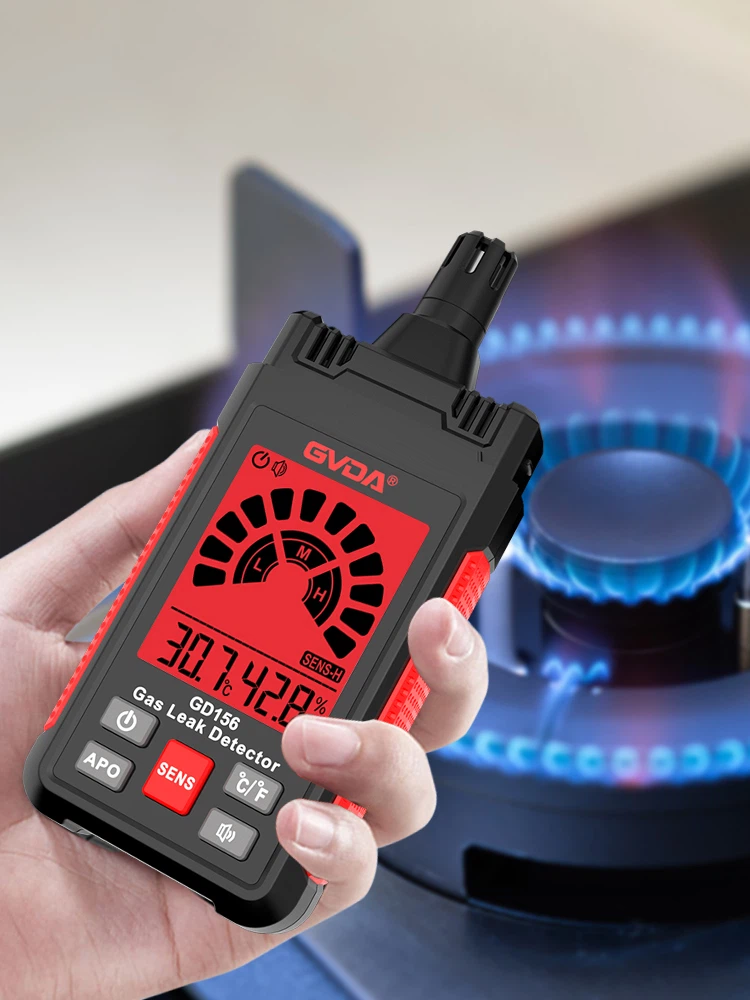
We are all aware that gas detectors are used to measure the gas concentration in the air, but many of us are still unaware of their precise function. Next, Shanghai Zuoqiang Industry will impart to you some previously unknown information regarding fixed gas detectors.
First, with stationary gas detectors
Fixed gas detection is widely used in the petrochemical, coal, On-site inspection in metallurgy, chemical industry, municipal gas, environmental monitoring, and other places. It can detect gases such as hydrogen sulfide, carbon monoxide, oxygen, sulfur dioxide, phosphine, ammonia, nitrogen dioxide, hydrogen cyanide, chlorine dioxide, ozone, and combustible gases. It can detect gas concentration or leak detection in tunnels, pipelines, tanks, and other enclosed places, as well as meet the measuring needs of unique occasions.
The results of the analyzer will be greatly impacted by the gas flow, which should be checked first and foremost during the maintenance of fixed gas detectors. The gas flow is typically 30/h.
2. To replace the filter paper, drain the filter tank and turn off the air pump;
3. Inspect the air system to see if there are any air leaks. Check for damage to the sobbing pump diaphragm, the sampling probe's sealing ring, the four-way valve, the condensing steam, etc.;
4. Clear the sample hole pipeline and the sampling probe;
5. Verify the condenser's functionality; typically, the temperature is set to a range of 3 degrees Celsius;
6. Inspect the measurement chamber for dirt and promptly clean it if it is.
Third, the fixed gas detector's lifespan
The sensor, the gas detector's primary component, mostly determines how long it will function.
We are also aware that there is no sensor that can detect every gas and satisfy every demand. Different gases and conditions require distinct sensors, which are likewise different. They can be loosely separated into sensors that detect explosive quantities of flammable gases and sensors that detect hazardous gas concentrations.
The majority of poisonous gas concentration sensors are electrochemical sensors, which operate according to the electrochemistry principle. The electrolyte is the major element that influences its lifespan. The electrolyte gets spent and can no longer function normally after two to three years. Consequently, the electrochemical sensor has a service life of two to three years.
Catalytic combustion sensors, which have a service life of 3 to 5 years, make up the majority of the sensors used to measure the concentration of combustible gas.