Which two gears of the multimeter are commonly used for repairing the motherboard
Which two gears of the multimeter are commonly used for repairing the motherboard
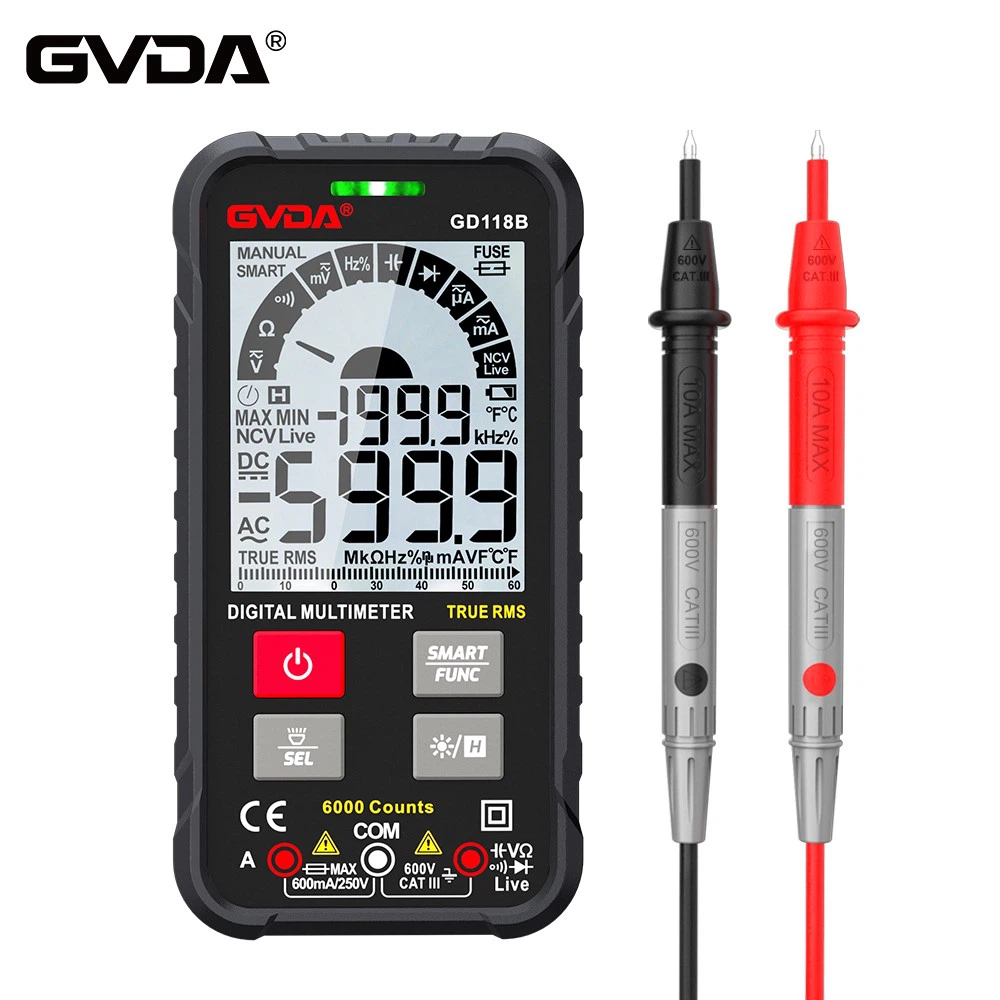
Use the digital multimeter to repair the main board, the main gears are used, 1: Diode gear: used to run the line, measure the resistance to the ground, and measure the continuity of the line, 2: Electric block is used to measure the resistance value of the resistance in the main board, 3: DC 20V voltage block, because the highest voltage on the motherboard is only 12V. Repairing the motherboard mainly depends on measuring the resistance to ground and the voltage to ground to judge the fault, and the measurement current is too little.
What gear should be adjusted for the pointer multimeter to test the circuit
You first need to be clear about what exactly you want to measure.
Generally speaking, when the circuit is charged, the measurement circuit is mainly used to measure DC voltage, so the gear should be placed in the DC voltage range. As for which gear to put in, it depends on the condition of the circuit you are measuring. Measure DC voltage. There are very few times when the current is measured, because the measurement of the current requires a certain point of the circuit to be measured.
When the circuit is not charged, the DC resistance of the circuit is mainly measured. Generally, the multimeter is placed in the 1K range of the ohm range for measurement. As for which points to measure, it depends on your familiarity and mastery of the circuit.
When measuring the motor control circuit with electricity, it is mostly measured on the AC voltage file.
You should read more books first, and be familiar with various circuit principles and fault principles before you can talk about measurement issues.
What is the name of the gear position of the multimeter commonly used to test whether the wire is on or off? Please explain to the electrician friends
The multimeter can use the resistance X1 file to test the continuity of the lead, which is called the ohm file.
The ohm file is for measuring the resistance value, and the X1 file is for measuring the low resistance value. The resistance of the wire should be low resistance. The short wire is only tenths of a few ohms. The resistance cannot be measured with an ordinary pointer multimeter.
Use a digital multimeter to measure, if the resistance is extremely small, it is a path, if there is a certain resistance, it means that the circuit has resistance, and if the resistance is too large, it is an open circuit.
Some digital multimeters have buzzers. The buzzer is generally at the 2 KΩ block. When measuring a line (or resistance) with a resistance value below 50 Ω, the built-in buzzer will sound. This function can improve the working efficiency of measuring line continuity in practice.