How to Use Clamp Ammeter to Judge Motor Fault
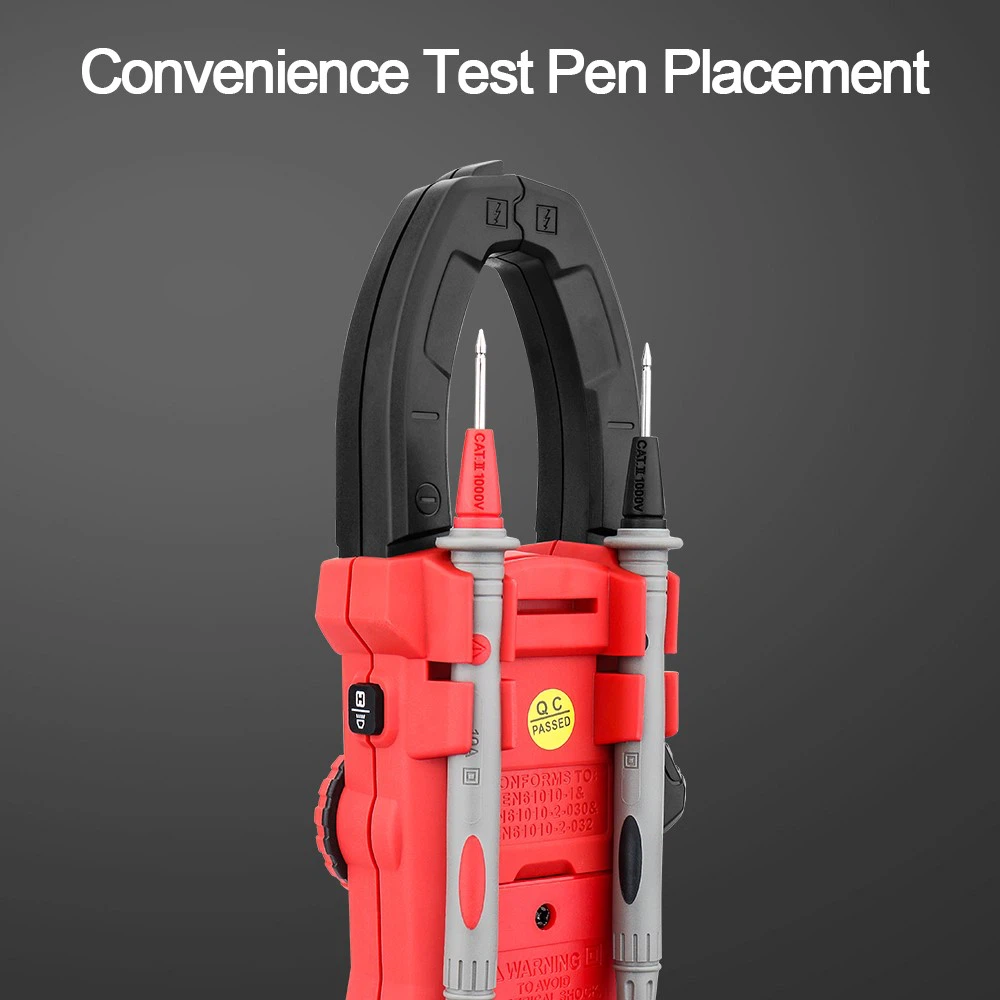
When manually checking the motor for failure, generally use a test pencil or a multimeter to check. The author introduces several methods of measuring the no-load current of a three-phase asynchronous motor with a clamp ammeter to find faults.
Example 1 An ore crusher with a drive motor of 15kW. After the motor is overhauled, it runs normally without load, but it cannot be loaded. Once the load is added, the motor will trip due to overload. After inspection, the machine and power supply are normal. The DC resistance of the motor coil is 2.4, 3.2 and 2.4 respectively. The three-phase no-load current measured by the clamp ammeter is 9A, 5A and 8.8A respectively. It can be confirmed that the motor coil is faulty. Remove the end cover of the motor and find that one of the wires of one phase winding has been loosened and the solder has melted. The motor is wound with two wires in parallel, one of which is disconnected and the other is still connected, so the torque is reduced, and it can only rotate without load, but it cannot carry the load.
Example 2 There is a motor with a rated power of 13kW. The coil is rewound and the test machine is tested. The speed of the motor is normal when it is running without load. The measured power supply voltage and the resistance of each phase are normal, and the no-load current of the three phases is basically balanced when measured with a clamp meter, but the current values are all small, so it is concluded that the winding connection is wrong. When the end cover was opened, it was found that the motor with △ connection was mistakenly connected with Y connection, which made the normal running torque too small to carry the load, because the torque of Y connection was one-third of that of △ connection.
Example 3 A machine tool uses a 4kW motor. After the power is turned on, the motor does not rotate and only hums. Remove the motor wires, test that there is electricity on the power supply side, the three-phase voltage is also normal, the DC resistance of the winding is also balanced, the insulation is qualified, and the machine rotates smoothly. Finally, use a clamp ammeter to measure the no-load current on the motor lead on the lower side of the switch. As a result, there is current in two phases and no current in one phase. Indicates that the wire is blocked in the conduit. Pull out the inner wire of the steel pipe, and find that a section of the wire has been basically broken, facing each other like two needle points, and there is white oxidized powder at the end of the wire. This is due to the excessive tension when passing through the pipe, the wire is thinned and elongated, and the current is heated and oxidized at the place that seems to be broken for a long time. At this time, the voltage can still be measured on the live wire, but the current cannot pass.