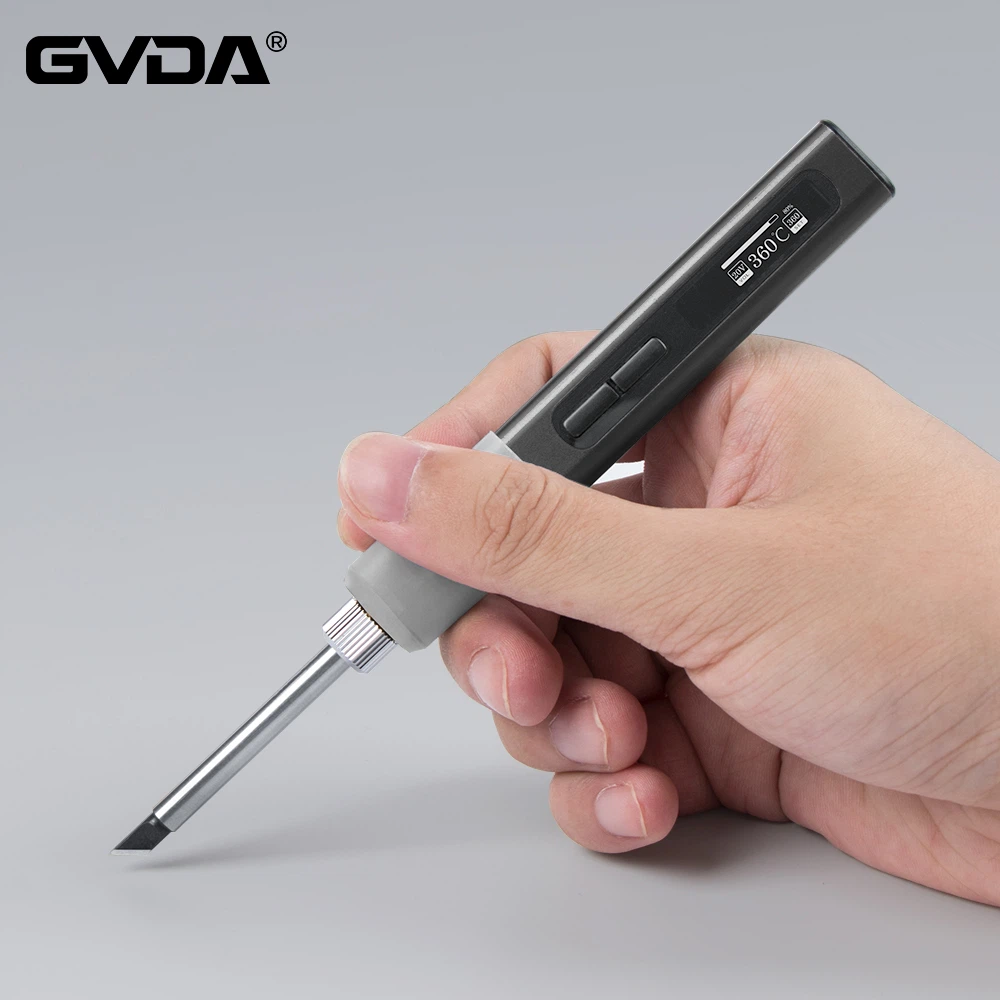
Types of metals that a soldering iron can solder
There are many types of metals that electric soldering irons can weld, and can be used to weld copper, aluminum, iron and other metal products.
When soldering metal with a soldering iron, the material uses tin, rosin or an acidic agent to remove the surface oxide layer. The soldering iron is usually used to solder electronic components, various wire connections, etc.
Soldering iron welding is soft soldering, generally the temperature is not high, and the melting point of the welding material (brazing material) usually used is low, generally not exceeding 400 degrees.
The metal material used with the electric soldering iron is generally tin, and tin is often used for soldering of circuit boards, and plastics can also be soldered.
Attached, the method of soldering with an electric soldering iron.
1. Surface treatment of weldments
Most of the weldments soldered by manual soldering irons are electronic parts and wires. Under mass production conditions, electronic components within the "insurance period" will be used.
Under normal circumstances, the weldments welded by the electric soldering iron need to be cleaned to remove rust, oil, dust and other impurities on the welding surface that affect the welding quality.
Mechanical scraping and alcohol, acetone scrubbing and other simple and easy methods are commonly used in manual operation.
2. Pre-welding
Pre-soldering is to pre-wet the lead wires of the components to be soldered or the conductive soldering parts with solder, generally also known as tinning, tinning, tinning, etc.
Why is it called pre-soldering, because its process and mechanism are the whole process of soldering: the solder wets the surface of the weldment, and after the diffusion of the metal forms a bonding layer, the surface of the weldment is "plated" with a layer of solder.
Pre-soldering is not an indispensable operation for soldering, but it is essential for manual soldering iron welding, especially maintenance, debugging, and research and development.
3. Flux should not be excessive
The right amount of flux is indispensable, but not as much as possible. Excessive rosin will increase the workload of cleaning around the solder joint after welding, prolong the heating time (rosin melts, volatilizes and takes away the heat), and reduces work efficiency;
When the heating time is insufficient, it is easy to be mixed into the solder to form a "slag inclusion" defect; for the welding of switching elements, excessive flux is easy to flow to the contacts, resulting in poor contact.
The proper amount of solder is that the rosin perfume can only wet the solder joints to be formed, and do not let the rosin perfume flow through the printed board to the component surface or socket hole (such as IC socket).
For welding wire with rosin core, there is basically no need to reapply flux.
The above is the relevant knowledge of what metals the electric soldering iron can weld. I hope it will be helpful to everyone.
Related information polypropylene vs abs plastic