5 Maintenance Programs for Ph Meters
1. Storage of pH glass electrodes
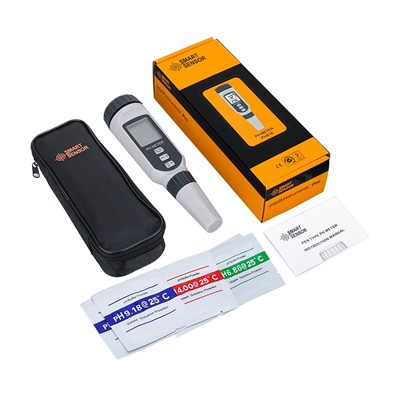
Short-term: store in buffer solution with pH=4;
Long-term: Store in buffer solution with pH=7.
2. Cleaning of the pH glass electrode
Contaminated glass electrode bulbs may increase electrode response time. The dirt can be wiped off with CCl4 or soap solution, and then soaked in distilled water for a day and night before continuing to use. When the pollution is serious, it can be immersed in 5% HF solution for 10-20 minutes, rinsed with water immediately, and then immersed in 0.1N HCl solution for a day and night before continuing to use.
3. Treatment of glass electrode aging
The aging of the glass electrode is related to the gradual change of the glue layer structure. Older electrodes have sluggish response, high membrane resistance, and low slope. Etching off the outer adhesive layer with hydrofluoric acid often improves electrode performance. If this method can be used to regularly remove the inner and outer adhesive layers, the life of the electrode is almost unlimited.
4. Storage of reference electrode
The best storage solution for silver-silver chloride electrode is saturated potassium chloride solution. High-concentration potassium chloride solution can prevent silver chloride from precipitating at the liquid junction and maintain the liquid junction in working condition. This method is also applicable to the storage of composite electrodes.
5. Regeneration of the reference electrode
Most of the problems of the reference electrode are caused by the blockage of the liquid junction, which can be solved by the following methods:
(1) Junction of soaking solution: use a mixture of 10% saturated potassium chloride solution and 90% distilled water, heat to 60-70°C, immerse the electrode about 5cm, and soak for 20 minutes to 1 hour. soluble deionization
(2) Ammonia soaking: When the liquid junction is blocked by silver chloride, it can be soaked with concentrated ammonia water. The specific method is to clean the inside of the electrode, drain the liquid and immerse it in ammonia water for 10-20 minutes, but do not let the ammonia water enter the inside of the electrode. Take out the electrode and wash it with distilled water, and then add the filling liquid again and continue to use it.
(3) Vacuum method: put the hose around the liquid junction of the reference electrode, use a water flow suction pump, and the liquid filled in the suction part passes through the liquid junction to remove mechanical blockages.
(4) Boiling liquid junction: The liquid junction of the silver-silver chloride reference electrode is immersed in boiling water for 10-20 seconds. Note that the electrode should be cooled to room temperature before the next boil.
(5) When the above methods are ineffective, the mechanical method of sandpaper grinding can be used to remove the blockage. This method may cause the grit under grinding to plug into the liquid junction and cause permanent plugging.