6 misconceptions about gasdetection
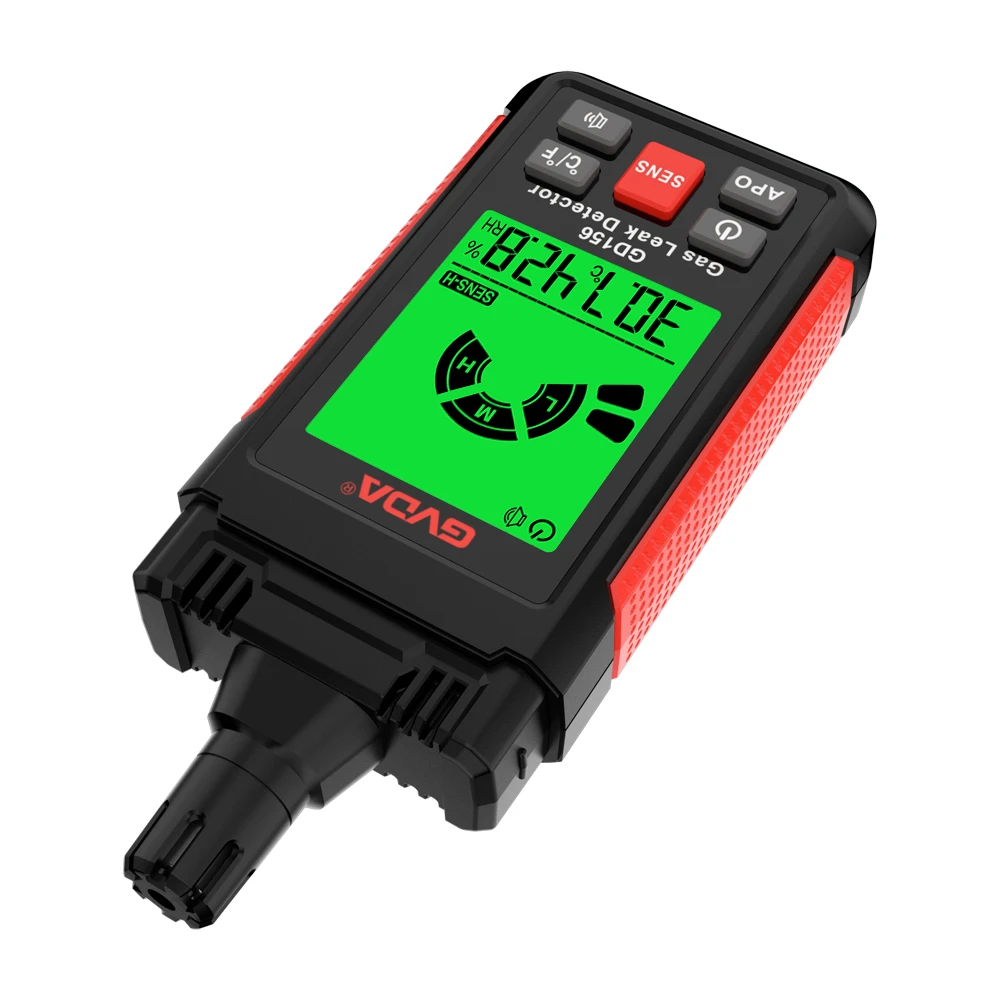
Gas detector is one of the commonly used testing instruments in industrial production. It can detect the concentration of toxic and hazardous substances at work, can detect the type of gas in the environment, and use the appropriate safety protection equipment according to the detection results. However, when using gas detectors, people sometimes have some misunderstandings. The details are as follows:
Misconception 1:Gas detectors can detect any gas
A detector can only detect a specific gas. A compound gas detector can also only detect several gases at the same time.
Myth 2: gas detector can be installed at will
Strict requirements for the installation location of the gas detector. Installation position is not correct, can not be detected properly.
Myth 3: Acceptance test with high concentration of gas
Some customers use high concentration gas for testing during acceptance. This practice is very loose and easy to damage the instrument. The detection range of the combustible gas detector is 0~100% LEL, and testing with gases higher than this concentration range value is likely to fumigate the sensor, resulting in sensor damage or detection failure!
Myth 4: As long as the gas detector is surrounded by combustible or toxic gases, the alarm should issue an alarm
The condition for a gas detection alarm to sound an alarm is that the alarm signal will only be issued when the measured gas concentration reaches or exceeds the preset value of the instrument.
Myth 5: The gas detector itself explosion-proof facilities damage does not affect the use of
In the process of use, the alarm explosion-proof seal damage, loose, explosion-proof tube rupture and other damage to the explosion-proof facilities and other phenomena, timely maintenance.
Myth 6: gas detector does not require maintenance and maintenance
The gas detector is a measuring instrument that needs to be calibrated regularly to ensure the accuracy of its detection. Long-term use of the gas detector will produce drift, if not calibrated in a timely manner, the error will become larger and larger, resulting in safety hazards.
According to regulations, the maximum calibration period for gas detectors should not exceed one year, and companies with specialised metrology departments are advised not to exceed three months. The calibration of gas detectors should be operated by professionals.