Advantages and Disadvantages of Digital Multimeters and Needle-Type Analog Multimeters
Multimeters, divided into digital multimeters and pointer multimeters, are indispensable measuring instruments in power electronics and other departments. They are generally used to measure voltage, current, and resistance, and are a multifunctional and multi range measuring instrument. Both digital and traditional methods play important roles in measurement, but what are their advantages and disadvantages compared to each other?
Pointer multimeter:
1. A pointer multimeter is an average value instrument with intuitive and visual reading indication.
2. A pointer multimeter generally does not have an amplifier inside, so the internal resistance is relatively small.
3. The pointer multimeter has uneven frequency characteristics due to its low internal resistance and the use of discrete components to form a shunt and voltage divider circuit.
4. The pointer type multimeter has a simple internal structure, so it has lower cost, fewer functions, simple maintenance, and strong overcurrent and overvoltage capabilities.
5. A pointer multimeter has a high output voltage and current, making it easy to test thyristors, light-emitting diodes, and other devices.
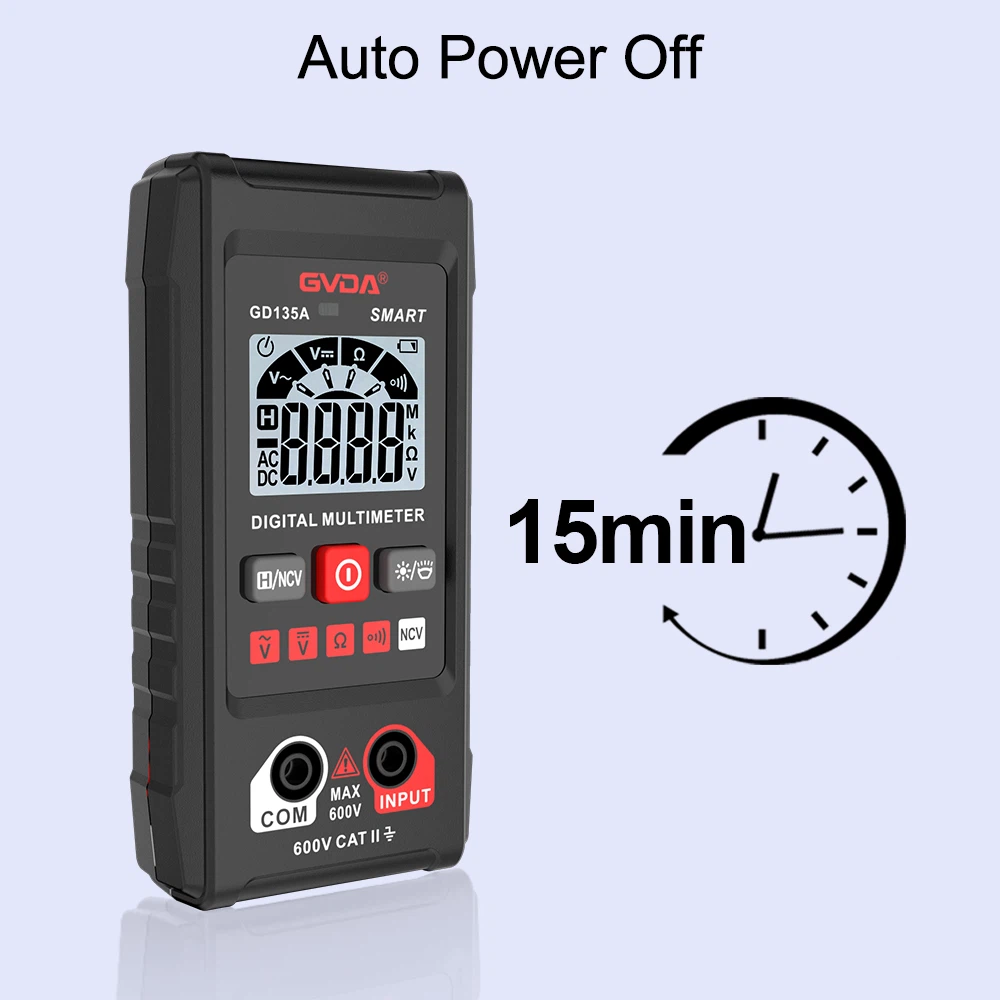
Digital multimeter:
1. A digital multimeter is an instantaneous sampling instrument that uses a sample taken every 0.3 seconds to display measurement results, which is not as convenient as pointer based reading.
2. Due to the internal use of operational amplifier circuits, the internal resistance of a digital multimeter can be made very large, which reduces the impact on the tested circuit and improves measurement accuracy.
3. The digital multimeter adopts various oscillation amplification, frequency division, protection and other circuits internally, so it has more functions.
4. Due to the use of integrated circuits in its internal structure, digital multimeters have poor overload capacity and are generally not easy to repair after damage.
5. The output voltage of a digital multimeter is relatively low (usually not exceeding 1 volt), making it inconvenient to test components with special voltage characteristics, such as thyristors and light-emitting diodes.