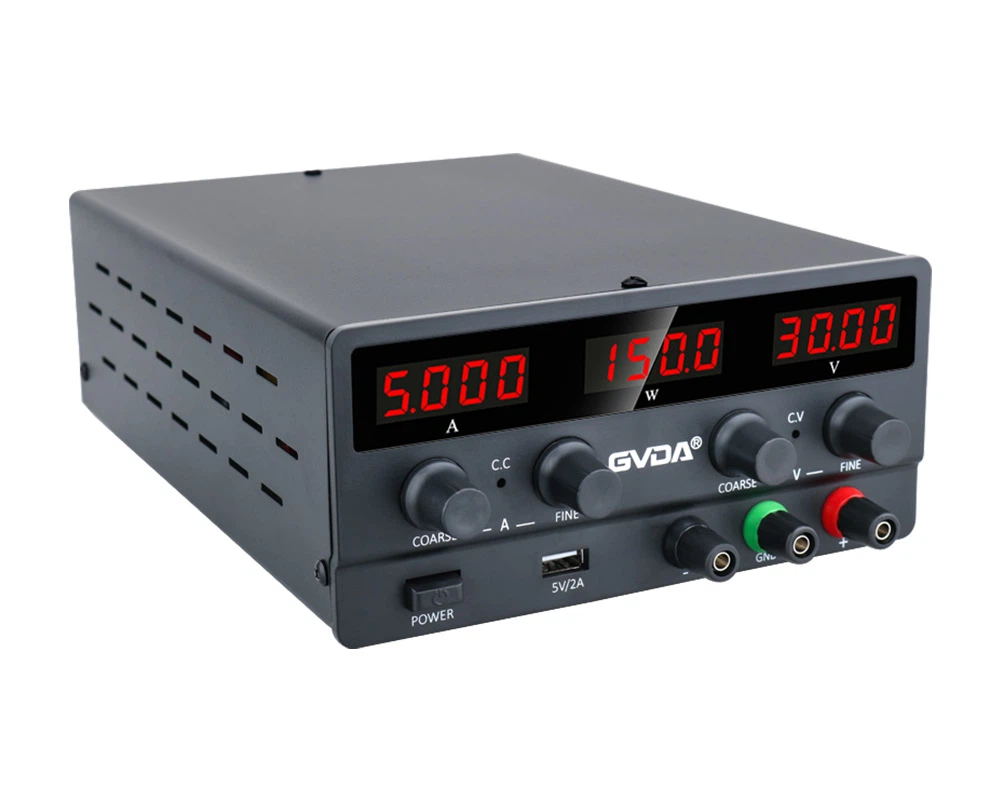
Analysis on Common Faults of Switching Power Supply
I've found only a few components to fail in switching regulator power supplies. A common failure is the switching transistor itself. Shorting the transistor caused a lot of current to flow through the transformer and blow the fuse. Transistor failures are usually caused by bad capacitors. It is very common to find swollen or leaking output filter capacitors. Any capacitors that look bad should be replaced.
To prevent this common failure from recurring, the output filter capacitor should be replaced with a capacitor. These capacitors are designed to handle the stringent filters found in switching power supplies. Most power supply manufacturers do not install low ESR capacitors as original equipment because they are more expensive than traditional capacitors. However, it is worth using them as replacement components because they use large power supplies in the field. When I use power supplies, I replace the output filter capacitors with low ESR capacitors, whether they seem good or bad. Because service calls cost much more than capacitors, this is a prudent course of action.
Secondary tube failure is another common problem. There are many diodes in the switching power supply, and the failure of one diode will cause the power supply to burn out or turn off the fuse. A common diode failure is a short circuit to the +12 volt or -5 volt output rectifier. These diode failures will not blow the fuse. The power supply detects a short circuit and turns itself off. Some of these failures may be caused by using the +12 or -5 volt output to power the coin gate light. In the power supply, the output has no overcurrent protection. A short in the lamp holder could burn out the diode by drawing too much current from the supply. If you inadvertently use a 6 volt bulb instead of a 12 volt bulb, the +12 volt diode may burn out. The high-voltage input diode may also be short-circuited.