Application of CO₂ Detectors in Grain Storage Projects
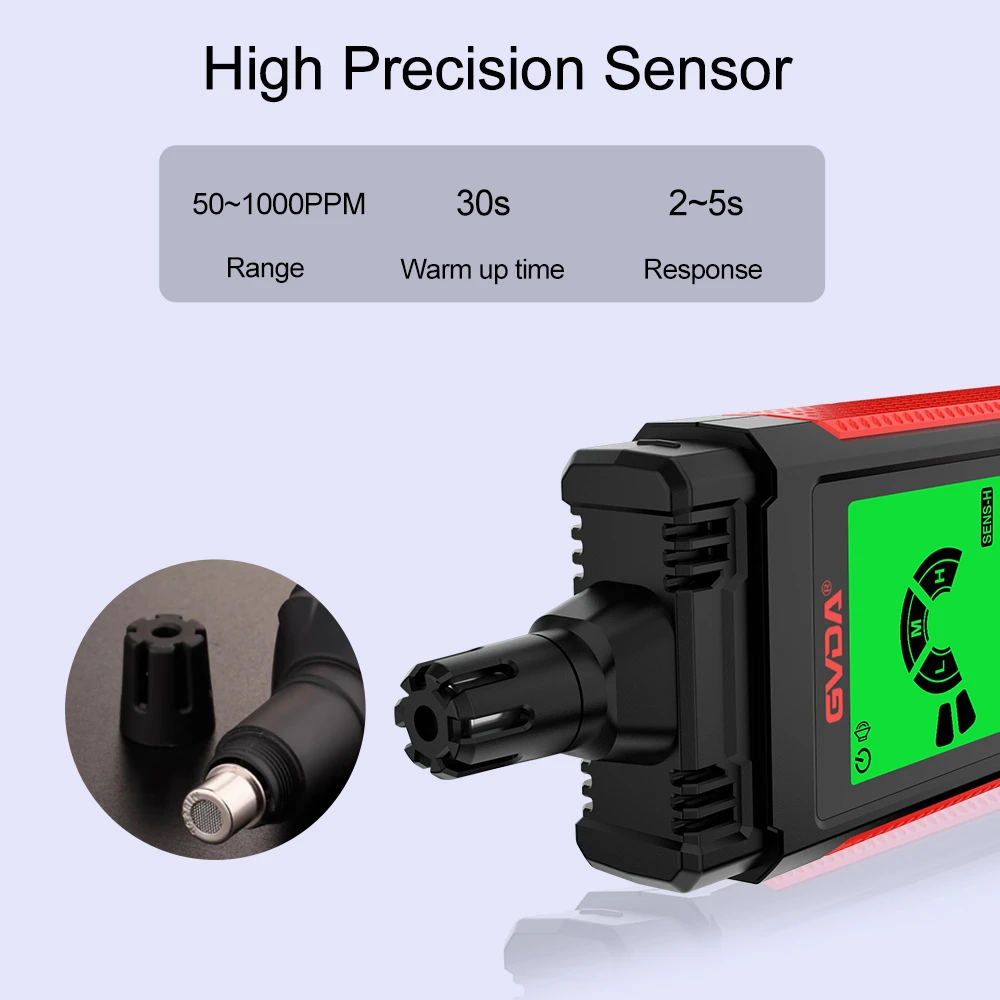
This system is the core equipment to implement the controlled atmosphere (CA) process and guarantee the set gas concentration. Its main functions include real-time automatic collection, conversion and transmission of CO₂ data in granaries, data display and printing, as well as data management (covering data recording, data analysis and processing, alarm prompts, reserved data communication interfaces and other functions). It supports switching between manual and automatic operation modes, and allows open configuration and adjustment of system parameters, facilitating subsequent system upgrade, iteration and parameter optimization.
The system schematic diagram is shown as follows: Keywords: Grain Storage, CO₂ Controlled Atmosphere Granary, Infrared Gas Analyzer
1. Overview
Grain storage engineering is a systematic interdisciplinary project integrating agriculture, biology, architecture, environmental protection, chemical engineering, instrumentation, computer science and other disciplines. With the rapid advancement of modernization in China, the construction of "green granaries" has become a key research topic in the grain storage industry. During grain preservation, it is essential to protect stored grains from damage caused by grain pests and molds to maintain grain quality.
For a long time, China has adopted fumigation with chemical agents such as phosphine and ethylene oxide to eliminate grain pests.
Researches on CO₂ controlled atmosphere grain storage technology for insecticidal trials date back to 1917. Its development was restrained after the 1940s due to the widespread application of low-cost pesticides. Later, problems including pesticide residues, environmental pollution, ecological damage and growing pesticide resistance of pests attracted increasing public concern. Coupled with the rising demand for natural green food, CO₂ controlled atmosphere grain storage technology regained widespread attention.
Developed economies including the United States, Japan, Russia and Australia have gradually cut down the application of chemical fumigants in grain storage, shifting toward eco-friendly grain preservation methods combining low-temperature storage, controlled atmosphere, physical and biological integrated pest control. Extensive research, tests and successful commercial applications have been carried out on CO₂ controlled atmosphere storage, with standardized commercial operation specifications established.
In the early 1980s, Australia built controlled atmosphere granaries with a total capacity of over 2 billion kilograms, among which the single
largest depot held 600 million kilograms of grains. Since the 1960s, China has also conducted numerous studies on CO₂ controlled atmosphere storage technology. During the Sixth and Seventh Five-Year Plans, the Chengdu Grain Storage Research Institute carried out systematic in-depth research under national key research projects. Comprehensive laboratory studies and small-scale real granary trials (with a capacity of 500,000 kilograms) were conducted focusing on the insecticidal efficacy of CO₂, its inhibitory effect on grain molds, its impact on grain quality and the construction standards of controlled atmosphere granaries, achieving satisfactory results.
With the support of the State Administration of Grain and China Grain Reserves Group, the first large-scale CO₂ controlled atmosphere grain storage demonstration depot with a capacity of over 10,000 tons was constructed at Mianyang Directly Affiliated Depot of Central Grain Reserves during the national reserve granary construction project of 10 billion kilograms in 2000.