The likelihood of a safety accident occurring during an enterprise's production process is low under normal production settings, but accidents do happen frequently during an enterprise's maintenance process, particularly in petrochemical production businesses. because doing hot work during maintenance is frequently necessary.
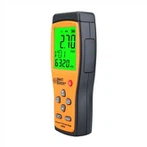
In contrast to conventional welding processes, petrochemical companies' thermal maintenance of containers is unique. In typical production, the majority of the equipment, including towers, kettles, tanks, and other containers, are filled with chemical compounds. The majority of chemical substances are explosive, flammable, and easily poisonous. The material is empty, yet there is still some leftover substance or combustible and explosive gas that has been released from the material. Therefore, if the residual flammable materials and explosive mixtures are not thoroughly removed prior to the maintenance of each container, the trace sparks during the welding operation will cause combustion and explosion, which is very likely to cause a vicious accident that results in a large number of fatalities and injuries. Use of gas detectors in hot petrochemical manufacturing processes
Operators entering the container without passing the safety inspection run the risk of suffocation, poisoning, and impacts on the respiratory system, in addition to fire and explosion catastrophes. Chemical materials can efficiently build in tight places and endanger the operators' lives because they contain high amounts of dangerous compounds.
The meticulous preparation of the construction plan and the effective control of the concentration of dangerous and combustible elements within the safe range prior to the maintenance operation is therefore essential for the success of the container fire and the entrance operation.
The quantitative analytical results of the gas composition should then be used as the foundation for determining if the container treatment is complete. If you need to operate hotly within a kettle or tank, you must first determine how much flammable gas, oxygen, and dangerous gas are there. The O2 level should be between 19% and 21%, the hazardous gas should be regulated, and the combustible gas should be kept to under 10%. The information is within the acceptable standard bounds.