Application of Thermal Conductivity Gas Sensor in Industrial Gas Detector
1. Industry Definition of Thermal Conductivity Gas Analyzer
The classification of gas detectors is classified according to the detection objects, including flammable gas (including methane) detectors, toxic gas detectors, and oxygen detectors. Classified according to the detection principle, flammable gas detection includes catalytic combustion type, semiconductor type, thermal conductivity type and infrared absorption type, etc.; toxic gas detection includes electrochemical type, semiconductor type, etc.; oxygen detection includes electrochemical type, etc. Classified according to the way of use, there are portable and fixed. Classified according to the place of use, there are conventional type and explosion-proof type.
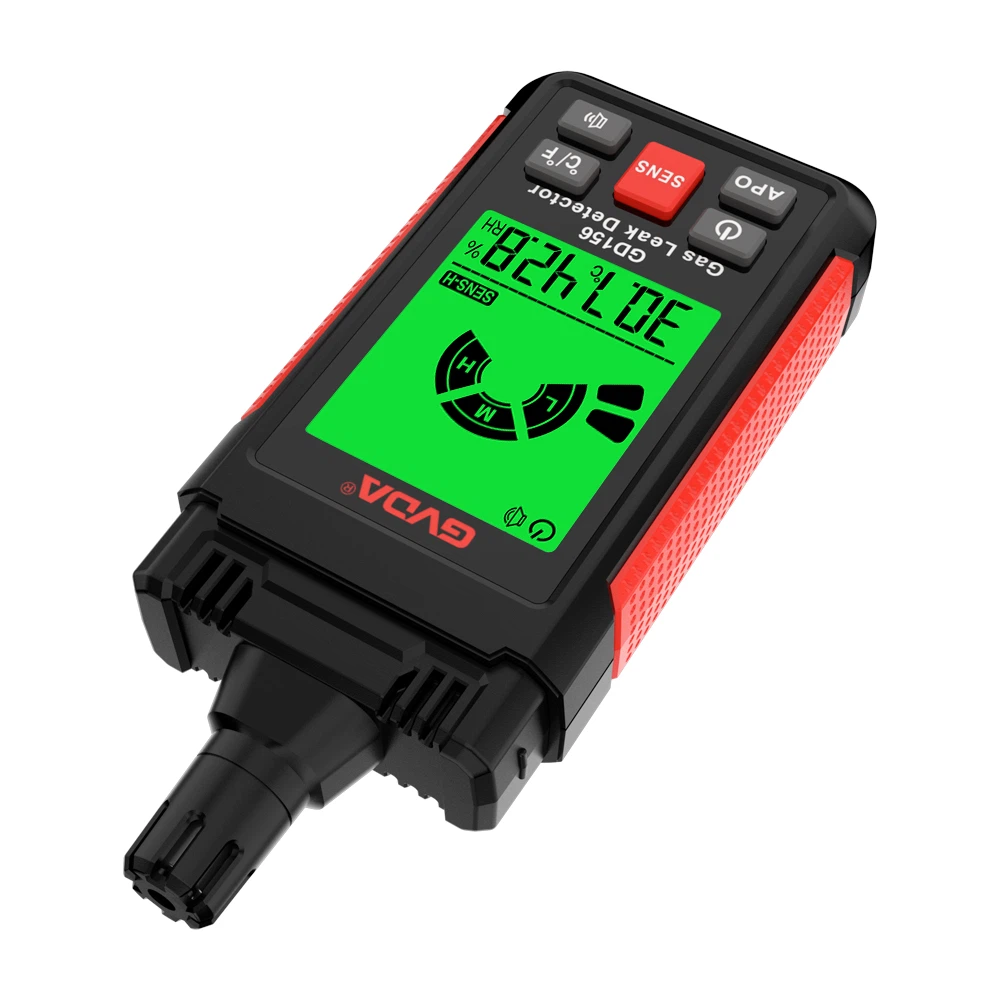
The thermal conductivity gas analyzer is an instrumentation tool for gas concentration detection. It is an automatic continuous gas analyzer made of the principle that the total thermal conductivity of the mixed gas changes with the content of the measured components. Gas detection instruments convert the physical or chemical non-electrical signals collected by the gas sensor into electrical signals, and then rectify and filter the above electrical signals through external circuits, and control the corresponding modules through these processed signals to realize gas detection. various specific functions. The gas detector can detect various gases such as hydrogen sulfide, carbon monoxide, oxygen, sulfur dioxide, phosphine, ammonia, nitrogen dioxide, hydrogen cyanide, chlorine, chlorine dioxide, ozone and combustible gases.
2. Structure introduction
The thermal conductivity detector used is a bridge composed of two measuring cells to detect the change of thermal conductivity of the gas at the outlet end of the chromatographic column. The detector is very sensitive to any substance with a thermal conductivity different from that of the carrier gas, and the minimum detection limit is 0.5×1026~100×1026. The linear dynamic range is 103. It is suitable for occasions where the thermal conductivity of the measured component differs greatly from other components.
3. Working principle of thermal conductivity gas analyzer
Thermal conductivity gas analyzer is a kind of physical gas analysis instrument. According to the principle that different gases have different thermal conductivity, it calculates the content of some components by measuring the thermal conductivity of the mixed gas. This kind of analytical instrument is simple and reliable, applicable to many types of gases, and is a basic analytical instrument. However, it is difficult to directly measure the thermal conductivity of gas, so in fact, the change of thermal conductivity of gas is often converted into the change of resistance, and then measured with a bridge. The heat sensitive elements of the thermal conductivity gas analyzer mainly include semiconductor sensitive elements and metal resistance wires. The semiconductor sensitive element has small volume, small thermal inertia, and large temperature coefficient of resistance, so it has high sensitivity and small time lag.
The bead-shaped metal oxide is sintered on the platinum coil as a sensitive element, and then the same platinum coil with equal internal resistance and calorific value is wound with a material that does not react to gas as a compensation element. These two components form a bridge circuit as two arms, which is the measurement circuit. When the semiconductor metal oxide sensitive element absorbs the measured gas, the electrical conductivity and thermal conductivity will change, and the heat dissipation state of the element will also change accordingly. The temperature change of the element changes the resistance of the platinum coil, and the bridge then has an unbalanced voltage output, which can detect the concentration of the gas. Thermal conductivity gas analyzers have a wide range of applications. In addition to the usual analysis of hydrogen, ammonia, carbon dioxide, sulfur dioxide and low-concentration flammable gases, they can also be used as detectors in chromatographic analyzers to analyze other components.
4. The role of thermal conductivity gas analyzer
According to the differences in the application fields of thermal conductivity gas analysis instruments, gas detection instruments are mainly divided into two series: industrial gas detection instruments and civilian gas detection instruments. Industrial gas detection instruments are divided into three categories: portable, fixed and system. Industrial gas detection instruments and meters are mainly used in petroleum, chemical, metallurgy, coal mines, liquefied gas and other enterprises; civilian gas detection instruments are mainly used in public places and household gas detection and alarm.