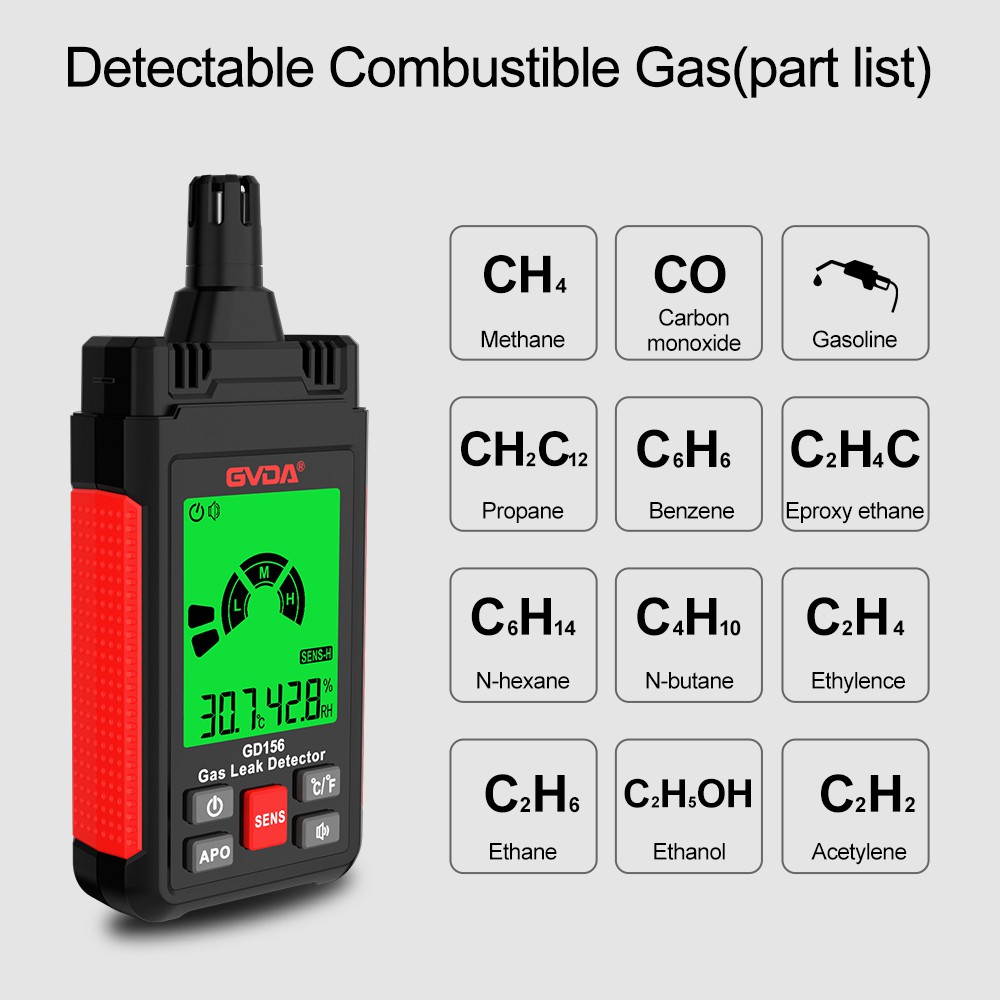
Basic knowledge analysis of combustible gas detector
We must know that in our life, people pay more and more attention to gas detection, and at the same time, they also pay much attention to the results of the detection. We must know that this can have a great relationship with our personal health. Gas detector is an advanced instrument for detecting gas, which mainly relies on the sensor at the port of the detector to sense toxic and harmful gases, so as to achieve the purpose of alarm. Most gas detectors are mainly used in industrial and environmental monitoring. Let's take a brief look at the monitoring of gas detectors in industry.
Combustible gas detector is a gas concentration detection instrument integrating gas detector and gas alarm controller. The gas detector can be directly powered by 220V power supply. Toxic gas detector adopts imported electrochemical/catalytic combustion sensor with stable signal , High precision and other advantages, the explosion-proof wiring method is suitable for various dangerous places. Its product features: 1. Advanced microprocessor technology of combustible gas detector; 2. Range specifications, users can decide according to actual requirements; 3. 220V AC AC power supply; 4. On-site concentration display, sound and light alarm; 5. Fast response and high measurement accuracy; 6. The output signal can be determined by the user according to actual requirements; 7. Relay output (optional), RS485 bus output (optional).
In addition, for the detection principle of combustible gas detector, catalytic combustion type/electrochemical detection method, diffusion type working mode, long-term continuous working output signal, relay output or RS485 output (optional) connection mode, model RVVP3 1.0mm2 structural material, die-casting aluminum explosion-proof mark Ex dIICT6 protection Grade IP65 Working humidity 90%RH Working temperature -20~50℃ (Special requirements are determined according to needs). The combustible gas detector is a national compulsory verification measuring instrument, which is widely used in metallurgy, petroleum, chemical industry, petrochemical, coal and other industries, as well as municipal gas, storage, transportation, hotels and restaurants and fire departments.
When flammable or toxic gas leaks in the environment, and the gas concentration reaches the explosion or poisoning critical point set by the detector, the flammable gas detector will send out an alarm signal to remind the staff to take safety measures to prevent explosions, fires, and poisoning accidents , so as to ensure safe production. Due to the normal use of the detector sensor, its sensitivity naturally decreases by 10% to 30% per year. If the sensitivity of the detector sensor decreases, the leaked gas concentration reaches the lower explosion limit and the alarm is not timely, there will be a risk of explosion. Therefore, the combustible gas detector detector needs to be calibrated regularly every year to ensure the accuracy and reliability of its performance and value.
At the same time, the industrial application of gas sensors for gas detectors is mainly to detect harmful gases such as carbon dioxide, nitrogen oxides, sulfur oxides, ammonia, hydrogen sulfide and chlorine in the petrochemical industry; to detect organic solvents and phosphine in the semiconductor and microelectronics industries. and other highly toxic gases; the power industry detects hydrogen generated during the deterioration of power transformer oil; the food industry detects the freshness of perishable foods such as meat; the automobile and kiln industry detects oxygen in exhaust gas to control combustion and achieve energy saving and environmental protection. Objective: Highway traffic detects the ethanol gas concentration in the driver's breath, prevents drunk driving and reduces traffic accidents. With the progress of the times, I think the use of gas detectors will become more and more extensive, and the future will be even more unpredictable!