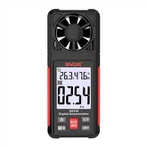
Brief description and working principle of the magnetic thickness gauge
The magnetic thickness gauge has an integrated instrument structure and can be operated with one hand. It uses the principle of electromagnetic induction and is suitable for measuring the thickness of non-magnetic covering layers on various magnetic metal substrates.
It can measure the thickness of various plating (except nickel plating), coatings, enamels, plastics and other covering layers on steel. It can also be used to measure various metal foils (such as copper foil, aluminum foil, gold foil, etc.) and non-metallic films (such as paper , plastic, etc.) thickness. This instrument can be used for production inspection, acceptance inspection and quality supervision inspection. In line with national standards.
There are two types of magnetic thickness gauges, one is called magnetic thickness gauge and the other is called magnetic induction thickness gauge.
The magnetic thickness gauge can measure the thickness of the coating through a certain proportional relationship between the magnetic attraction between the magnet probe and the magnetically permeable substrate and the distance between the two.
The principle of magnetic induction is to use the size of the magnetic flux that the probe passes through the non-ferromagnetic coating and flows into the iron substrate to measure the thickness of the coating. The thicker the coating, the smaller the measured flux, and then the coating thickness is converted through processing.
The attraction force between the magnet (probe) and the magnetically permeable steel is proportional to the distance between the two. This distance is the thickness of the coating.
A thickness gauge made using the principle of a magnetic thickness gauge is a magnetic thickness gauge. As long as the difference in magnetic permeability between the coating and the base material is large enough, it can be measured. Since most industrial products are stamped from structural steel and hot-rolled and cold-rolled steel plates, magnetic thickness gauges are the most widely used.
The basic structure of the magnetic thickness gauge consists of magnetic steel, relay spring, scale and self-stop mechanism.
After the magnetic steel is attracted to the object to be measured, the measuring spring is gradually stretched and the pulling force is gradually increased. When the pulling force is just greater than the suction force, the thickness of the coating can be obtained by recording the pulling force at the moment the magnet is detached.
Newer products can automate this recording process. Different models have different measuring ranges and applicable occasions.
The characteristics of this instrument are that it is easy to operate, sturdy and durable, does not require power supply, does not require calibration before measurement, and is relatively low-priced. It is very suitable for on-site quality control in workshops.