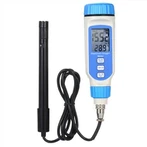
Calibration and verification method of gas detector
A gas detector is an instrumentation tool for gas leakage concentration detection, including: portable gas detectors, handheld gas detectors, fixed gas detectors, online gas detectors, etc. Gas detectors mainly use gas sensors to detect the types of gases that exist in the environment. Gas sensors are sensors used to detect the composition and content of gases. So what is the calibration method of the gas detector?
Calibration method of gas detector:
1. Verification of the linear relationship of the instrument
First of all, in order to ensure the normal operation of the gas detector, the analytical instrument, as a kind of measuring instrument, must be tested by the authoritative metrological department every year in accordance with the regulations formulated by the state before it can be licensed for use.
At the same time, it is also necessary to use a series of standard gases to check whether the linear relationship of the gas detector in the entire linear range is in a normal state every year. Otherwise, blindly believing in the integrity of analytical instruments (even imported instruments) will definitely lead to wrong data and lead to mistakes in production management and quality management.
2. Calibration of commonly used instruments for quantitative analysis
As a quantitative analysis instrument, the gas detector uses standard gas for calibration (or calibration) before quantitative analysis. Standard gas is generally purchased from the national metrology department or a legal factory. In special cases, it can also be configured by itself (but it must have the qualification and ability to configure standard gas and related equipment).
The shelf life of the standard gas is one year. When using the standard gas to calibrate the analytical instrument, it is also necessary to have a deep understanding of the normal procedures and usage rules. If you purchase and use standard gas that does not meet the requirements, it will lead to great deviations in the analysis data. If you do not have a good understanding of the requirements for the use of standard gas, it will also cause trouble for the calibration of gas detectors due to the inability to obtain accurate data results.
3. Error analysis
In the application process of the analytical gas detector, for the data of each measurement result, an error analysis is finally made to determine the authenticity, accuracy and credibility of the data analysis. A qualified analyst will not and should not casually report or publish the results of each analysis and determination.
Generally, after the measurement result is obtained, after the error analysis, when it is determined that the total error of the analyzed data is less than the specified allowable error, this one (or a group of) data is regarded as the correct measurement result and reported or announced. Otherwise, inaccurate data can have serious adverse consequences for production managers.